Transportation issues explained: key insights into current challenges and developments affecting the sector.
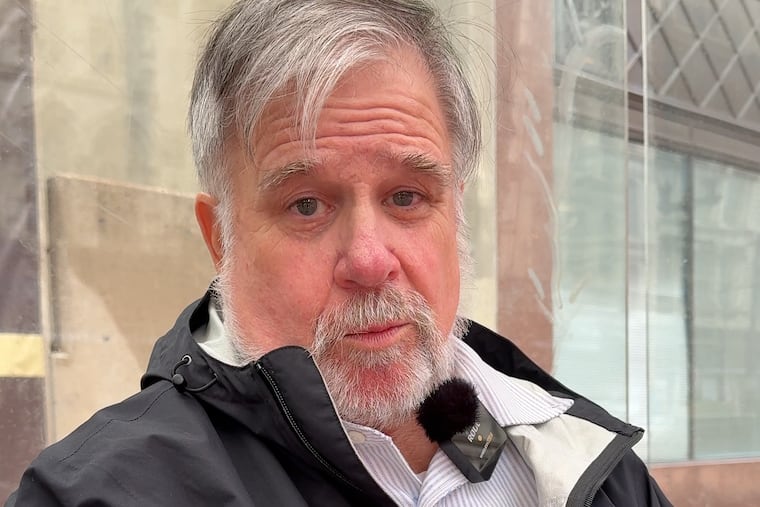
Transportation issues in Philadelphia have garnered significant attention recently, particularly through the lens of SEPTA (Southeastern Pennsylvania Transportation Authority) and the challenges faced by commuters. A video series, “What the f—,” created by transportation reporter Thomas Fitzgerald, delves into complex transit and road issues impacting Philadelphia’s residents.
In August, the series addressed SEPTA’s “fiscal cliff,” a situation that caused considerable disruption as various services were temporarily suspended and then resumed shortly thereafter, following legal intervention. This back-and-forth had left many riders confused and frustrated. To mitigate the immediate crisis, Governor Josh Shapiro authorized the allocation of state funds as a temporary measure to stabilize SEPTA’s finances.
Further complicating the transportation landscape, Fitzgerald analyzed the situation surrounding Philadelphia’s Greyhound station, which has seen its share of tumultuous changes. This has left many traveling residents grappling with fluctuations in intercity bus services. The series outlines the complexity of these developments and speculates on potential future scenarios for transit services.
Moreover, SEPTA’s Regional Rail service has faced its own set of challenges. The service operated under limited capacity for months after incidents involving several Silverliner IV rail cars, which were taken out of operation due to fires. Following inspections mandated by the Federal Railroad Administration, the situation led to widespread commuter disruptions and raised questions about safety protocols and management within the authority.
Traffic safety in Philadelphia presents another pressing concern. From 2019 through 2023, the city reported traffic-related fatalities at a rate three times higher than in New York City. In 2020 alone, the number of deaths reached 155, marking a peak year. Although recent statistics indicate a downward trend in fatalities, the city acknowledges that substantial work remains to improve road safety and reduce traffic violence significantly.
Fitzgerald’s engaging reporting prompts readers to consider the implications of these pressing transportation issues and invites input on future topics. Residents are encouraged to submit their transportation-related questions, ensuring that the coverage remains relevant and community-focused as Philadelphia continues to navigate its evolving transportation landscape.