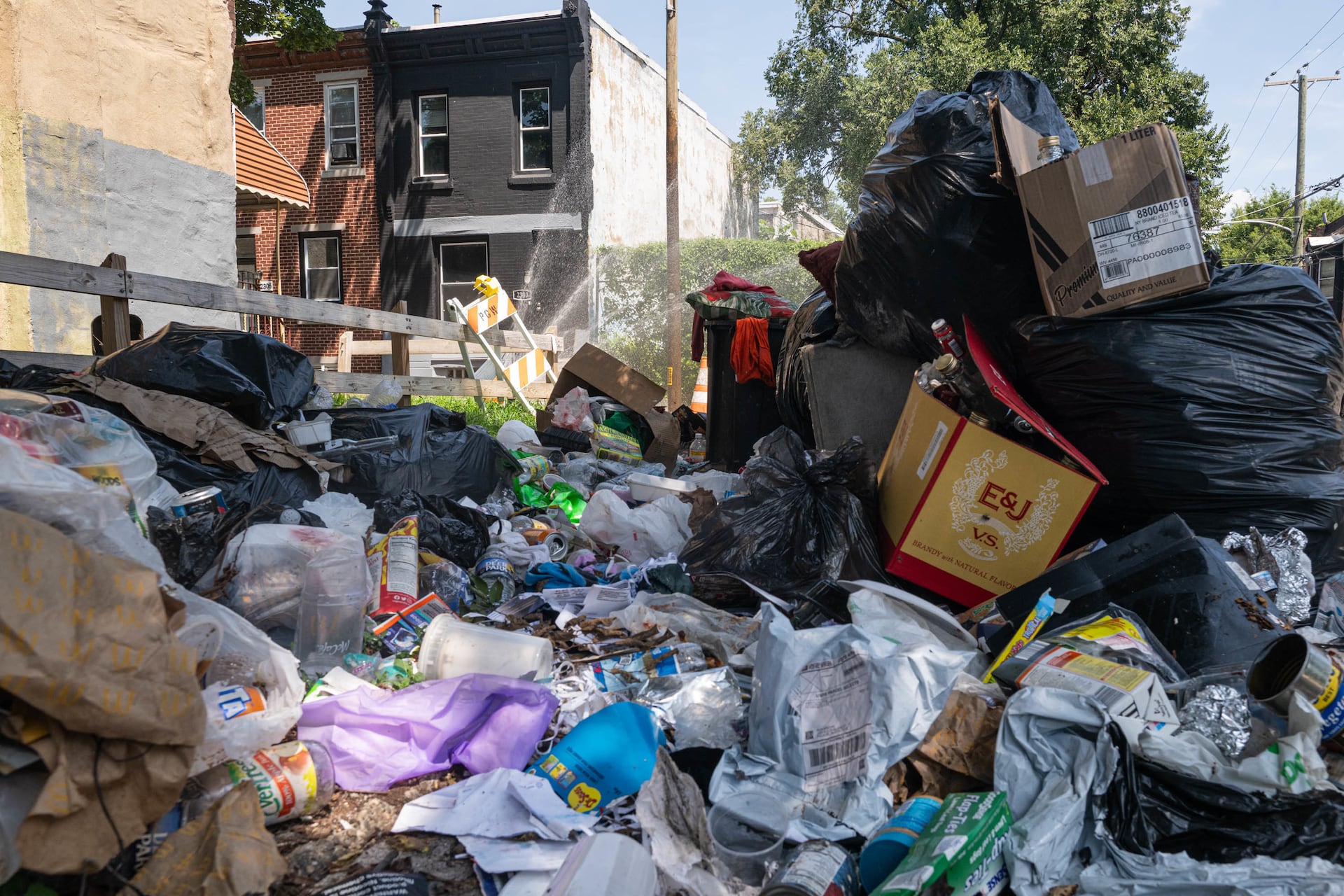
Trash accumulation, picket lines, and speeches characterize the ongoing DC 33 strike.
In a significant development for municipal services in Philadelphia, the first major city workers’ strike since 1986 ended early Wednesday morning after eight days and four hours of disruption. The action involved approximately 9,000 members of the American Federation of State, County and Municipal Employees District Council 33, encompassing vital roles including 911 dispatchers, library staff, and sanitation workers. Following the resolution, these workers are set to promptly resume their duties.
Mayor Cherelle L. Parker announced that a new contract agreement had been reached with union representatives, notably Greg Boulware, the president of DC 33, around 4 a.m. on Wednesday. While the mayor described the outcome as “good news” for both union members and the wider community, Boulware’s perspective reflected a more subdued sentiment. He indicated that the strike’s conclusion did not bring satisfaction to the union’s participants, who were faced with challenges during negotiations.
The strike commenced at 12:01 a.m. on July 1, coinciding with the expiration of the union’s previous contract. In its wake, various city services saw drastic reductions, most notably the suspension of trash collection, leaving Philadelphia residents to contend with substantial accumulations of waste, some of which were humorously termed “Parker Piles” by locals. The city responded to the strikes by employing nonunion workers and sanitation trainees to handle waste management, yet many temporary drop-off sites established for trash disposal remained overwhelmed with refuse.
As the situation escalated, Parker’s administration took legal measures to ensure certain striking employees, particularly those in essential services such as 911 dispatch and public health, returned to work. This included obtaining court orders that mandated the return of employees in critical municipal departments.
Tensions reached a high point just before the Fourth of July, with significant public protests over ongoing contract negotiations. Despite numerous discussions, major disagreements persisted, particularly regarding wage structures and benefits. The average salary for DC 33 members was reported at ,000 per year, marking them as the lowest-paid municipal workers in the city.
Ultimately, the agreement that concluded the strike included 3% annual raises for union members and ,500 bonuses, along with the establishment of a new pay scale step. This resolution, while not entirely meeting the union’s initial demands, serves to illustrate the complexities inherent in labor negotiations and the critical role such workers play in maintaining city services. The aftermath of this strike will continue to resonate in the ongoing discussions about labor rights and municipal management in Philadelphia.