
Travel has evolved significantly in the 21st century with 25 notable changes impacting how we explore the world.
In recent years, the world of travel has undergone significant transformation, revolutionizing how individuals explore and interact with new destinations. This evolution has been marked by a series of innovations, challenges, and trends that have dramatically reshaped the travel landscape since the turn of the millennium.
Smartphones have emerged as a game-changer in navigation, providing travelers with instant access to maps and directions at their fingertips. Gone are the days of cumbersome paper maps and printed driving instructions. With applications like Google Maps, exploring new cities has become simpler and more efficient, drastically changing how tourists navigate unfamiliar territories.
Social media has also played a crucial role in shaping modern travel experiences. While it enables users to share their journeys with a broader audience, it has simultaneously created phenomena such as overtourism and “fear of missing out.” Travelers flock to popular destinations inspired by viral posts, leading to overcrowded attractions and a strain on local resources.
The customer service landscape has shifted, with many travelers experiencing a decline in personal assistance when encountering issues such as flight cancellations or billing discrepancies. The rise of AI-driven solutions has often replaced human interactions, leaving travelers to navigate complex systems for support.
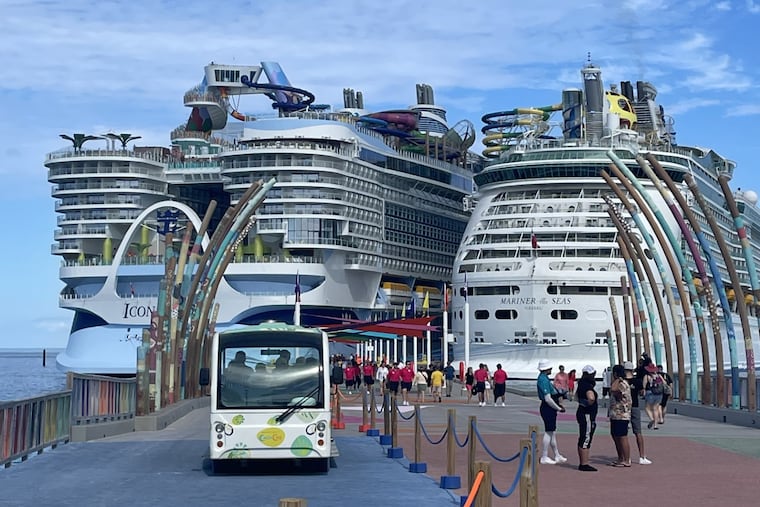
The cruise industry has evolved into what many now refer to as floating theme parks, with mega-ships offering a plethora of onboard attractions, from roller coasters to gourmet dining. This shift reflects a broader trend toward experiential travel, where leisure and entertainment blend seamlessly at sea.
Additionally, the concept of the “bucket list” has become central to travel marketing, inviting individuals to curate experiences that define their life goals. However, this has also introduced the challenge of overtourism in renowned hotspots such as Venice and Santorini, where infrastructure struggles to accommodate the influx of visitors.
Post-9/11, travelers have faced intensified security measures at airports, fundamentally altering the airport experience and how passengers prepare for flights. Meanwhile, the rise of short-term rental platforms like Airbnb has reshaped accommodation dynamics, inviting homeowners into the hospitality arena but generating concerns over housing availability in metropolitan areas.
Regardless of the hurdles, the increasing accessibility for travelers with disabilities and the growing awareness of climate change highlight a shift towards inclusivity and sustainability within the travel sector. Travelers are increasingly engaging with local cultures while being mindful of their environmental impact.
As the travel industry continues to evolve, it remains essential for stakeholders to adapt to these changes, ensuring that travel remains a rewarding and accessible experience for everyone. With the continued advancement of technology and growing awareness of social and environmental issues, the future of travel promises to be both exciting and challenging.
Media News Source


