Trocadero Theatre’s reopening has been rumored for years, but its future remains uncertain.
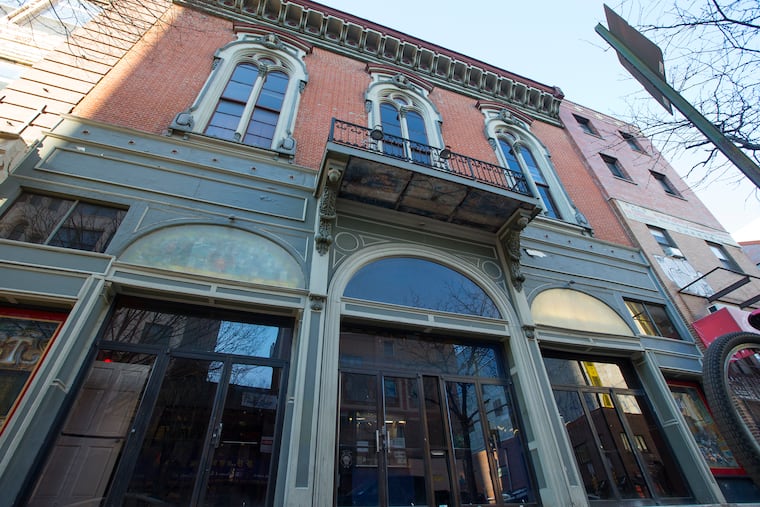
The Trocadero Theatre holds a significant place in Philadelphia’s cultural tapestry, having served as a pivotal venue for the alternative music scene for several decades. Nestled in Chinatown, the Trocadero boasts a history filled with performances by iconic artists such as Sonic Youth, Radiohead, Hole, Pearl Jam, and Bob Dylan. For many in the aging punk rock, metal, and hipster communities, the theater was more than just a location; it represented an era of vibrant musical expression.
Throughout its storied past, the Trocadero was home to a diverse range of events, including themed nights like Zombie Proms, movie screenings, and a variety of dance parties. It became particularly well-known for outrageous stunts, such as those performed by Bam Margera and the late Ryan Dunn, who famously dove from the theater’s Victorian balconies into enthusiastic crowds. In 2014, comedian Hannibal Buress’s performance at the venue inadvertently sparked a series of events leading to Bill Cosby’s eventual conviction for sexual assault.
However, the lively atmosphere came to a halt in August 2019, when the theater closed its doors after the Big Mess Cabaret concluded its performance. Despite hopes for a revival, the future of the Trocadero remains uncertain nearly six years later. The current owner, Stephen Pang, who acquired the building in the late 1970s, has not provided any updates regarding potential developments. His daughter, Joanna Pang, who had played a crucial role in operations prior to the closure, has also not been available for comment.
Speculations about the theater’s revival began to circulate in late 2022 after it was reported that Northwest Arch LLC, the legal entity that owns the Trocadero, received a .5 million grant through Pennsylvania’s Redevelopment Assistance Capital Program (RACP) to facilitate renovations. Yet, as of now, the grant remains unused, pending the submission of necessary documentation to the state. Lawrence McComie, a senior vice president at the Philadelphia Industrial Development Corp., confirmed that the theater has yet to complete the required steps to access the funds.
In its long history spanning 155 years, the Trocadero has transformed significantly. Originally opening in 1870 as the Arch Street Opera House, it has shifted from a venue for minstrel shows and vaudeville to burlesque and rock performances. The theater, celebrated for its striking architecture, was officially recognized as a historical site in 1978. Throughout the years, it hosted a variety of shows, with its rock era beginning in 1986 under new ownership.
Despite its storied past, the Trocadero ultimately faced challenges in recent years, struggling to maintain its position amidst competition from larger venues. The theater had filed for bankruptcy protection in 2011 due to burdensome contracts, but it successfully restructured. As news of its impending closure broke in March 2019, Joanna Pang reflected on the changing landscape for independent venues, highlighting the increasing difficulties such spaces face today.
As Philadelphia awaits the Trocadero’s potential revival, the fate of this beloved venue remains uncertain, casting a shadow on the city’s musical heritage and the communal identity that it once fostered. The hope for the Trocadero to reclaim its place as a vibrant music venue lingers as the community holds on to the memories of a transformative cultural hub.
For now, the Trocadero Theatre remains a poignant reminder of Philadelphia’s rich musical history, resting quietly at 10th and Arch Streets as fans and supporters reflect on its past while cautiously dreaming of its future.