Trump administration aims to prevent court order mandating full SNAP payments for November.
In the wake of a recent federal court ruling, some residents in the United States began receiving their full Supplemental Nutrition Assistance Program (SNAP) benefits on November 3, 2023, despite an ongoing government shutdown. The court’s directive mandated the Trump administration to ensure that SNAP payments were fully funded, prompting action as states scrambled to comply with the ruling.
The appeals court’s decision reinstated full SNAP benefits after the Trump administration sought to limit payments to a partial amount. This request came after federal judges ruled that the government could not entirely halt monthly benefits due to the shutdown. The administration had previously indicated that less than optimal funding would be available, potentially leaving millions without sufficient assistance during critical times.
SNAP serves approximately one in eight Americans, predominantly supporting low-income households. As reports note, officials from multiple states, including California, Wisconsin, Oregon, Kansas, New Jersey, and Pennsylvania, confirmed that full SNAP payments for November commenced on Friday. Wisconsin, for instance, issued more than 4 million of benefits overnight, aiding about 337,000 households. States such as Massachusetts and New York projected that SNAP recipients would begin receiving their full payments in the upcoming days, indicating a coordinated effort to distribute necessary funds swiftly.
The legal tussle around SNAP benefits reflects broader challenges as food security remains a pressing issue for countless families. Currently, individuals enrolled in SNAP can receive a maximum monthly benefit of nearly 0, while families of four may be eligible for close to ,000. However, many beneficiaries end up receiving less based on their reported income, leading to varying levels of financial strain across demographics.
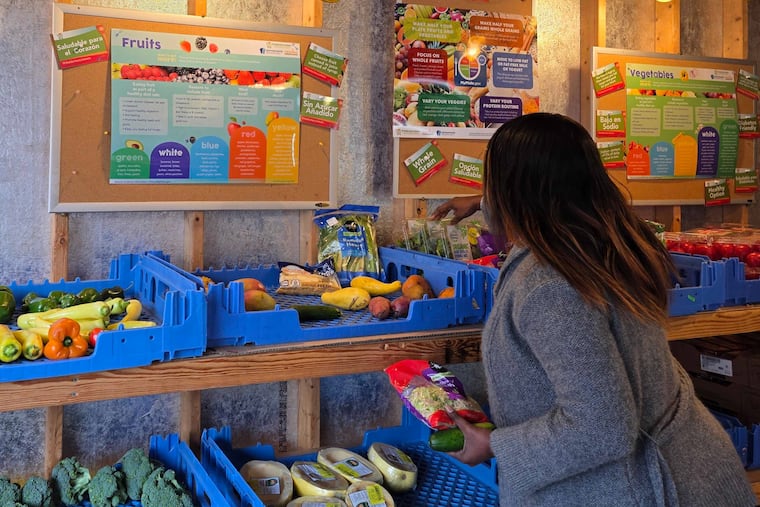
While some families began to see their accounts replenished, others faced uncertainty due to the intricate dynamics between state and federal authorities. For instance, Jasmen Youngbey, a single mother from Newark, New Jersey, experienced moments of anxiety regarding her SNAP balance but eventually received her November benefits after waiting in line at a local food pantry.
Key discussions continued within the context of federal funding, with legal representatives of cities and nonprofits challenging the federal government’s rationale for limiting funds. The conversation emphasizes that food assistance is critical for maintaining the well-being of vulnerable populations. As policymakers navigate complex regulatory frameworks and budgetary constraints, the ongoing SNAP debate draws attention to significant issues of food security and public support.
As different states move to ensure beneficiaries receive their entitlements, the broader implications of this legal battle remain to be seen. The Trump administration’s response highlighted constitutional disputes over budget appropriations, suggesting this issue may undergo further judicial scrutiny as it evolves.
The situation demonstrates the delicate balancing act states must perform amidst federal uncertainties, as they strive to secure essential resources for residents who rely on food assistance for basic sustenance. Continued developments in this matter will be crucial for understanding the future landscape of food aid in America.