
In recent discussions surrounding the decline in fatal drug overdoses in the United States, officials from the Trump administration, including President Trump himself, have attributed this trend to the government’s stringent border policies and actions against drug cartels. These claims have been met with skepticism by experts, who argue that the decrease in overdose fatalities began prior to Trump’s presidency and that solid evidence linking his policies to this trend is sparse.
Official statements from the White House have highlighted a notable 40% drop in overdose deaths from their peak during the Biden administration. However, it is crucial to note that a significant portion of this decline occurred while Biden held the office. Celebrations of the latest figures released by the Centers for Disease Control and Prevention (CDC), which indicate that fatal overdoses are continuing to diminish, have sparked further discourse on the effectiveness of current drug policies.
The framing of the Trump administration’s efforts as having “crushed the overdose crisis” and a claim that overdose deaths have decreased for 18 consecutive months has faced scrutiny. Observers note that the reduction in fatalities is reflective of an ongoing trend that began before Trump’s tenure. Factors such as enhanced access to treatment, distribution of overdose-reversal drugs, and restrictions on fentanyl precursor chemicals from China during Biden’s presidency have all been proposed as contributors to the decline.
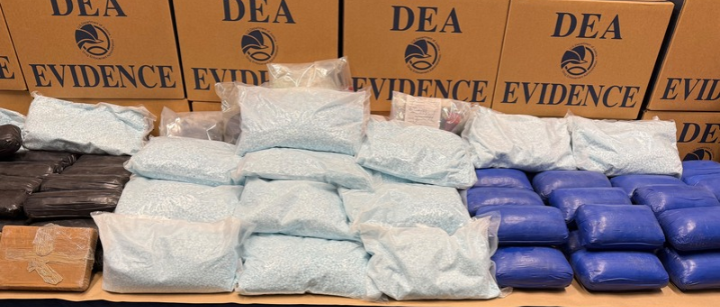
While Trump and other officials have linked drug enforcement measures, including airstrikes on vessels associated with drug trafficking, to the reduced rate of overdose deaths, experts have suggested that these policies may not be substantial drivers of the change. The majority of illicit drugs, including fentanyl—responsible for a significant number of fatalities—are typically smuggled through legal points of entry rather than unnoticed border crossings.
As conversations around the opioid crisis continue, it is essential to understand that the causes behind declining overdose rates are complex and multifaceted. Researchers are exploring a variety of explanations, from better treatment accessibility and shifts in user demographics to potential supply disruptions affecting the market. Experts emphasize that the understanding of this crisis is ongoing, with various elements likely contributing to the overall trend of decreasing overdoses.
As the U.S. confronts the opioid crisis, it is vital to engage in informed discussions regarding effective policies that genuinely address the challenges posed by substance abuse, while ensuring community health and safety remain at the forefront.