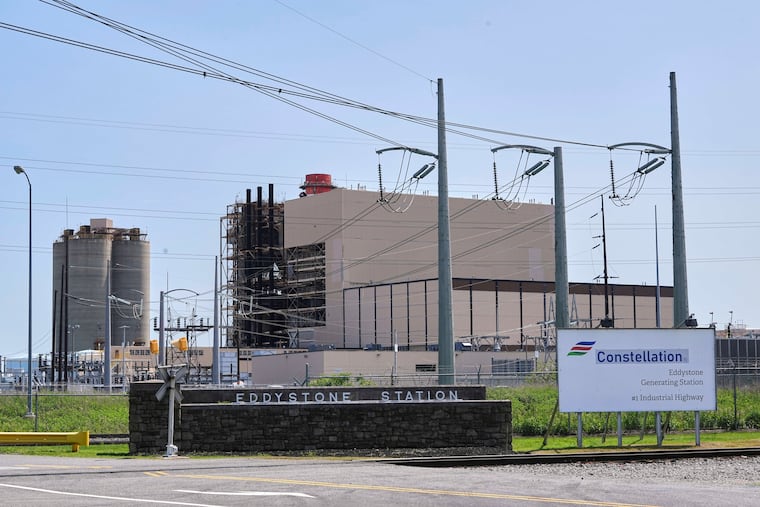
Trump administration extends operation of aging power plant through summer to prevent blackouts.
The U.S. Department of Energy has mandated the continued operation of the Eddystone power plant, an oil and gas facility located in Pennsylvania, as a precautionary measure against potential electricity shortages in the mid-Atlantic region. This directive affects a 13-state area and follows the department’s previous intervention involving a power plant under the administration of former President Donald Trump.
The order was issued to PJM Interconnection, the grid operator responsible for managing the electric grid in the region. This marks the second occasion in which the federal authority has exercised its power to require a power plant to remain operational on the mainland United States. Eddystone, situated just south of Philadelphia along the Delaware River, had been slated for shutdown by Constellation Energy for its units 3 and 4, but the department’s order compels the company to maintain operations through at least August 28. The two units are capable of generating a combined total of 760 megawatts.
In issuing this order, the Department of Energy highlighted PJM’s increasing concerns over electric power shortfalls, attributing these worries to the retirement of older power plants and an uptick in electricity demand. Last year, PJM granted Constellation’s request to deactivate the Delaware County units; however, the grid operator welcomed the department’s intervention, considering it a prudent and temporary measure. This allows for a collaborative assessment among PJM, the Department of Energy, and Constellation regarding the long-term feasibility and necessity of the Eddystone units.
Earlier in the week, the Department of Energy took similar action by ordering Consumers Energy to extend the operation of the J.H. Campbell coal-fired power plant in Michigan, which was also scheduled for retirement. The Midcontinent Independent System Operator, overseeing the grid in that region, refuted the urgency of the order, asserting that sufficient energy would be available throughout the summer and that there was no imminent energy emergency.
Environmental groups, particularly the Delaware Riverkeeper Network, have criticized the decision to keep the Eddystone facility operational. They argue that such a move constitutes environmental injustice, contending that discontinuing operations at the aging plant would lead to a reduction in harmful pollutants and carbon emissions, thus aiding the region in meeting federal clean air standards for smog.
As the demand for electricity continues to rise in the wake of ongoing retirements of older power plants, the implications of these decisions will likely reverberate throughout energy policy discussions in the coming months. The ongoing balance between energy reliability and environmental concerns remains a focal point in the evolving discourse surrounding power generation in the United States.
Media News Source