Trump administration proposes new rules that could limit gender-affirming care for minors, posing a significant challenge for CHOP.
In a significant policy shift, the administration of President Donald Trump unveiled a comprehensive set of regulations aimed at limiting gender-affirming care for minors. This announcement, made on Thursday, raises substantial concerns for facilities like the Children’s Hospital of Philadelphia (CHOP), which operates one of the largest clinics in the United States dedicated to providing medical and mental health services for transgender and gender-nonbinary youth. Each year, CHOP’s Gender and Sexuality Development Program, established in 2014, serves hundreds of families seeking such care.
The recently proposed rules mark a critical intervention by the Trump administration to restrict access to treatments like puberty blockers, hormone therapies, and surgeries for individuals under 18. These provisions include cutting off federal funding through Medicaid and Medicare for hospitals that offer gender-affirming medical services to minors, a move that could jeopardize their operations and the care they provide.
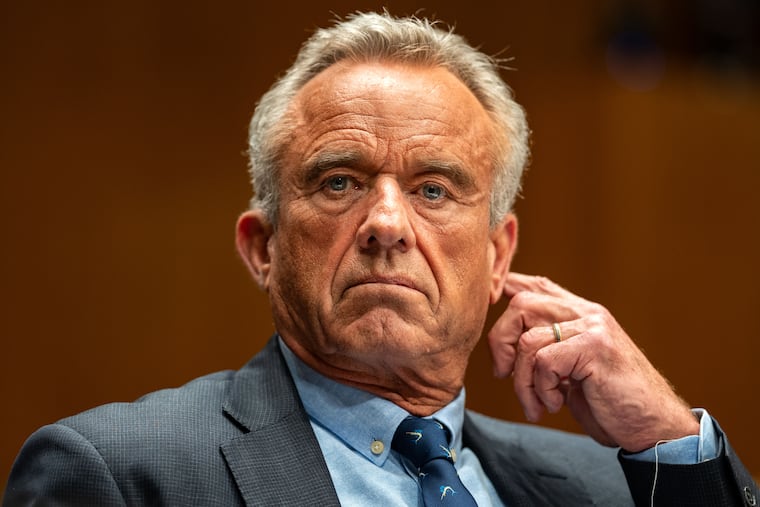
Health Secretary Robert F. Kennedy Jr. characterized these procedures as “malpractice,” suggesting that they deprive children of their future opportunities. Such statements echo a broader narrative within the administration, framing gender-affirming care as harmful rather than beneficial. Notably, CHOP is a participant in both Medicare and Medicaid programs, meaning these federal funding changes would have an immediate impact on their services.
The debate surrounding gender-affirming care is deeply polarized. While the Trump administration’s stance has garnered support from certain factions, major medical organizations, including the American Academy of Pediatrics, endorse these treatments as necessary for the mental well-being of their patients. CHOP maintains that any medication is administered only after thorough medical and psychological assessments.
Legal battles have become increasingly common as the federal government pursues an investigation into gender-affirming practices at various hospitals, including CHOP. The U.S. Department of Justice has issued subpoenas demanding extensive patient medical records. However, federal judges in multiple jurisdictions have indicated that such subpoenas may be politically motivated, ruling in favor of hospitals seeking to protect patient confidentiality.
As legal challenges intensify and grounds for a potential appeal loom over recent rulings, advocates assert that the proposed restrictions not only threaten access to vital health care but may result in harmful outcomes for vulnerable youth. The Public Interest Law Center, representing affected families, argues that any limitations on federal funding tied to gender-affirming care are likely to face significant legal obstacles, given the evidence supporting its life-saving potential.
With several institutions already limiting or discontinuing gender-affirming services due to fears of funding cuts, the implications of these new federal rules are vast. The unfolding scenario encapsulates a growing national debate on the rights of transgender minors and the roles of state versus federal oversight in medical decisions. In Pennsylvania, where gender-affirming care remains within the legal framework, the executive order aligns with broader tensions in health policy, child welfare, and civil rights.
As discussions surrounding this contentious issue evolve, the ongoing developments are expected to not only shape hospital practices but also influence the broader societal discourse on transgender health rights in the coming years.
Media News Source.