Trump changes tone from prosperity to austerity in response to upcoming tariff impacts.
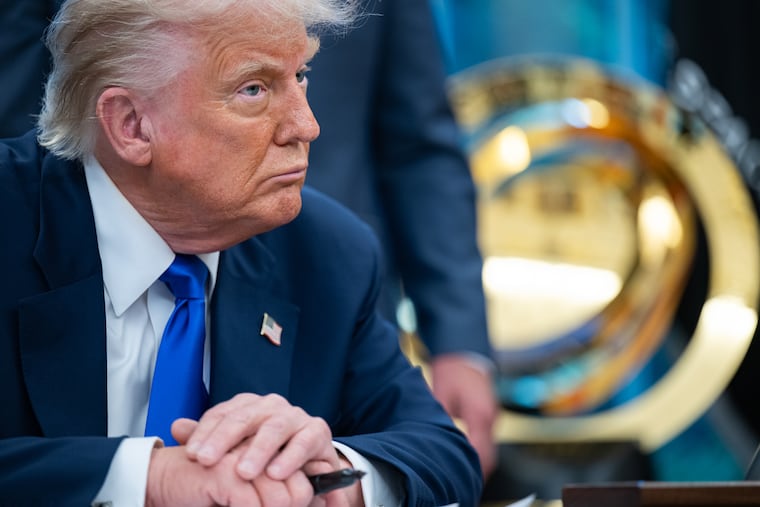
In recent weeks, the rhetoric surrounding President Donald Trump’s economic agenda has undergone a significant shift, moving from optimistic promises of a robust economic revival to a sobering acknowledgment of necessary sacrifices. During his campaign and the initial months of his presidency, Trump assured Americans that an era of unprecedented prosperity was imminent, characterizing it as a time when “your paychecks will be higher, your streets will be safer and cleaner,” and overall, “your future as an American will be much better than it ever has been.”
However, as the economic landscape has presented challenges, Trump and his advisers have adapted their messaging. They now caution that Americans may need to endure a transitional phase, one that could involve short-term economic downturns, described by Trump as a form of “medicine.” This new narrative suggests that until the administration’s tariffs take full effect and stimulate growth, consumers might have to cut back on non-essential items.
Critics are raising concerns about this pivot in tone, likening it to a departure from the historically optimistic discourse typical in American politics. Trump’s previous promises echo the sentiments of earlier leaders, such as Herbert Hoover’s vision of abundance. As Trump now suggests that consumers can manage with fewer dolls and pencils, observers are questioning the political ramifications of such a message, particularly when juxtaposed against the backdrop of his administration’s wealth.
Recent surveys indicate a disappointing reception from the public regarding Trump’s economic policies. Data shows that nearly two-thirds of Americans disapprove of his handling of tariffs, and over 60% voice dissatisfaction with his overall management of the economy. Economists from both parties are skeptical of Trump’s approach, suggesting that the touted benefits of his tariff strategies may not materialize and could result in significant economic strain.
The administration has attempted to portray the economic situation more positively, noting that employment has somewhat stabilized and prices have remained steady. However, analysts highlight the inconsistencies in messaging from the White House regarding the economic impacts of tariffs, oscillating between assurances of negligible consumer cost and blunt talks of the sacrifices necessary for future prosperity.
The overarching narrative emerging from the administration seems to be preparing Americans for a challenging economic period ahead, as the rhetoric increasingly emphasizes the need for sacrifices in pursuit of long-term gains. This has led to mixed reactions, with some praising the acknowledgment of current economic realities, while others deem the message tone-deaf amid wider issues of income inequality and the disconnect between the wealthy and average consumers.
As discussions surrounding economic policies continue, the potential repercussions on Trump’s political base and broader public sentiment remain to be seen, with many questioning whether the administration’s current direction will yield the anticipated economic renaissance or merely serve to exacerbate existing grievances among the electorate.
Media News Source