Trump eases stance on tariffs, but potential economic damage may have already occurred.
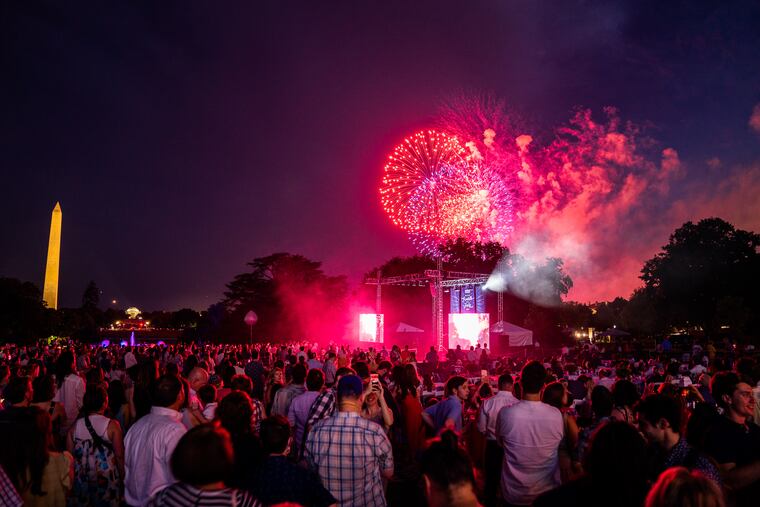
As the United States prepares to celebrate its 250th anniversary on July 4, 2026, a looming crisis in the fireworks industry threatens to overshadow the festivities. Stacy Blake, co-owner of Schneitter Fireworks & Importing based in St. Joseph, Missouri, finds herself reluctant to place orders with Chinese suppliers—primarily due to the tariffs implemented under the administration of former President Donald Trump. The tariffs, which have heightened import duties on various goods, present a significant barrier for American businesses aiming to stock up for this monumental occasion.
The potential shortage of fireworks is exacerbated by the impact the trade war has had on Chinese manufacturing capabilities. According to Blake, who also serves as the president of the National Fireworks Association, many Chinese fireworks factories have begun shutting down operations due to a decline in orders from the United States. The timing is critical, as this period should be dedicated to production for the upcoming anniversary celebration. If the situation does not improve, the fireworks industry could face substantial shortages when Americans look to partake in traditional Independence Day celebrations.
Despite a recent softening in rhetoric from Trump regarding tariffs, the economic repercussions of these trade barriers are already being felt. The former president has expressed optimism about reaching “fair deals” with China and has indicated ongoing trade negotiations with various countries. However, the effects of increased tariffs seem to have initiated a chain reaction that is hampering both production and economic activity in the U.S.
Economists are cautioning that the delayed impact of these policies may become more pronounced in the coming months, as key economic indicators reveal signs of strain. Although unemployment remains low and inflation rates have stabilized, the first quarter of this year showcased a contraction in the U.S. economy—an alarming sign of potential recessionary pressures. Supply chain disruptions have resulted in dwindling inventories, while sectors reliant on imports from China, including essential raw materials, are reportedly facing major challenges.
Experts predict that these tariff-related disruptions could lead to price increases on consumer goods and a possible uptick in layoffs within logistics and retail sectors. The Philippine Federal Reserve’s manufacturing survey indicated one of the most profound monthly declines in manufacturing activity since the onset of the pandemic.
As negotiations with other trading partners progress, particularly with nations like India, the complexity of achieving balanced trade policies while simultaneously addressing existing tariffs remains a Herculean task for the current administration. Meanwhile, the U.S. fireworks industry continues to brace for the consequences of these ongoing trade disputes, with stakeholders like Blake urging immediate action to ensure the availability of fireworks for the historic celebration in 2026.
If current conditions persist, the specter of empty shelves during peak celebration seasons may become a grim reality. With the global supply chain under strain and American businesses relying heavily on imports, the urgency for a resolution has never been more critical. As businesses await clarity, the success of July 4, 2026, hangs in the balance, leading to heightened anticipation and concern among industry veterans in the fireworks sector.
Media News Source