
Trump increases steel and aluminum tariffs to 50% effective immediately, impacting various industries and trade relations.
New York — President Donald Trump has announced a significant increase in tariffs on foreign steel and aluminum, raising rates to an unprecedented 50%. This move, set to take effect immediately, is poised to impact a wide range of industries, including automotive and construction, and could result in higher prices for consumers nationwide.
Currently, steel and aluminum imports incur a tariff of 25%, a rate that has been in place since March 2023 when the Trump administration reintroduced certain import taxes after earlier exemptions were lifted. With the forthcoming changes, nearly all foreign imports of these metals will be subjected to the new 50% tariff, with specific exceptions outlined for imports from the United Kingdom, which will continue to face a 25% tariff due to a recent trade agreement.
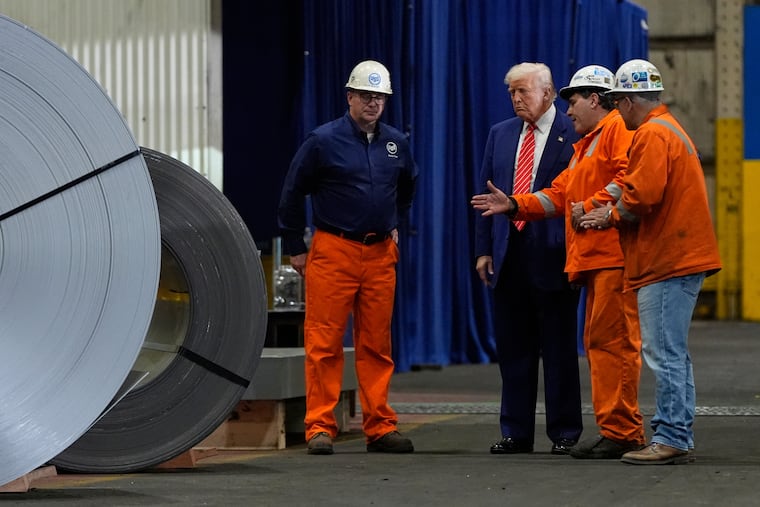
Trump has framed the tariff hike as a measure to protect American industries and safeguard national security, claiming that it addresses the ongoing influx of low-cost foreign steel and aluminum that he argues threatens domestic manufacturing jobs. In a rally with steelworkers in Pennsylvania, he stated that this enhancement of tariffs would further solidify the resilience of the U.S. steel industry.
The decision has elicited mixed reactions from economists and industry leaders. While some proponents of tariffs note that previous levies have bolstered domestic steel production, critics warn that steep increases may hamper the industry’s ability to adapt. Many analysts caution that the additional costs associated with tariffs could lead to broader price increases in consumer goods, from automobiles to groceries. Steel and aluminum are integral components in a diverse array of products, meaning that the ramifications of these tariffs could extend far beyond primary metals.
Moreover, this tariff increase threatens to escalate tensions with key trading partners, leading to potential retaliatory measures. The European Union has previously indicated it would respond to similar tariffs, and there are concerns that these new levies could catalyze economic repercussions on both sides of the Atlantic.
In response to concerns from various sectors, industry representatives have emphasized the need for more than just tariffs to bolster American manufacturing. Leaders have urged for comprehensive trade reforms in collaboration with allied nations to address persistent trade imbalances effectively.
As the implications of this new tariff regime unfold, both consumers and businesses will be closely watching developments to assess the resulting impacts on prices and production within the U.S. economy.
Media News Source


