
Trump proposes Miami library featuring a significant building and section dedicated to “fake news.”
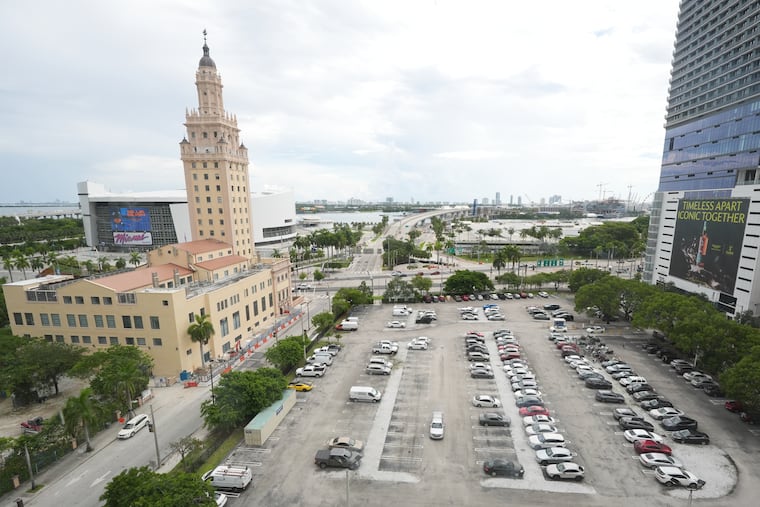
Eric Trump recently expressed his optimism following the Florida government’s approval of land designated for a presidential library intended for his father, Donald Trump. During a podcast, Eric Trump announced the approval of a prime real estate site in Miami, underscoring plans to create what he describes as an unparalleled library and museum.
In subsequent discussions, he elaborated on the idea of incorporating a so-called “fake news wing,” funded through lawsuit settlements with major networks like ABC and CBS. Eric Trump argued that this segment would showcase clips of media coverage, which he claimed reflected bias against his father.
These statements shed light on the ambitions of President Trump and his family to establish a distinctive library, likely to be a high-rise structure. This library could serve to narrate the Trump presidency in a manner that aligns with their perspective. However, the process surrounding the establishment of this library has been marked by a lack of transparency, particularly regarding donor contributions that are projected to reach into the hundreds of millions.
In a recent financial disclosure, the Donald J. Trump Library Foundation reported raising million this year, yet it did not disclose donor identities. It also noted an expenditure of million for unspecified “program services.” The White House referred inquiries to the foundation, which has not addressed whether the site will also accommodate a hotel or other developments.
The operational model of the Trump library remains unclear. It is uncertain if it will genuinely function as a repository for presidential records or if it will feature exhibits overseen by government historians. There exists speculation that Trump may adopt a model akin to that of former President Barack Obama’s library, which is developed under the aegis of a private foundation, thereby avoiding government oversight.
Implementing the Obama-style model would necessitate substantial fundraising, prompting Trump to rely on settlement funds related to legal battles with media corporations. While Trump has not definitively indicated adherence to this framework, experts assert that such an approach would allow him to craft a narrative of his presidency that could diverge significantly from established historical accounts.
According to Tim Naftali, a former director of the Nixon Library, there are concerns that a privately controlled library could render it a platform for a distorted history. If Trump’s library features a “fake news wing,” Naftali highlights that impartial historians at the National Archives would likely find such a move difficult to reconcile.
The Trump library’s foundation is currently embroiled in producing significant revenue, with a funding mechanism heavily reliant on legal settlements and donations from private interests. As the political landscape evolves, this effort has sparked discussions in Congress regarding the potential for corruption associated with privately funded libraries. Democrats have proposed the Presidential Library Anti-Corruption Act, aiming to restrict fundraising by sitting presidents until after their terms conclude.
The implications of this land transfer in Miami, where a prominent 2.6-acre site has been designated for the Trump library, remain contentious. Initially valued at around million, some experts estimate its worth could exceed 0 million. The process behind the land’s conveyance has faced criticism, especially from members of the Miami Dade College board of trustees, who were reportedly unaware of the state’s motivations for the transfer at the time of the vote.
As the library’s conception progresses, opponents of the deal have initiated legal challenges, asserting that the lack of clarity surrounding the project’s funding and purpose highlights wider concerns about taxpayer interests and the substantial implications of privatized presidential libraries. Donald Trump’s efforts to generate necessary funds for his presidential library are ongoing, as he seeks to build a legacy that reflects his unique framing of history.


