
Trump reallocates military housing funds to provide ,776 bonuses for Pentagon employees.
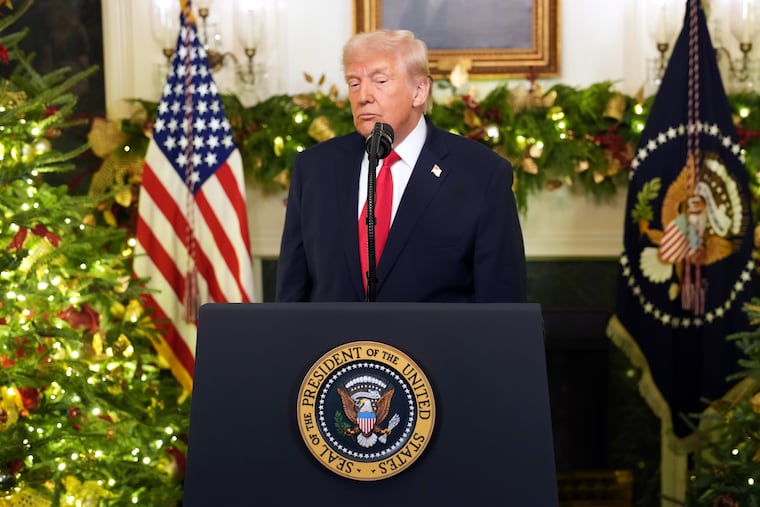
In a significant announcement during a recent prime-time address, the Trump administration revealed plans to allocate .6 billion from military housing assistance to provide one-time bonuses of ,776 for service members, styled as “warrior dividend” bonuses. This initiative, framed by President Donald Trump as a tribute to the nation’s founding in 1776, aims to recognize the sacrifices of military personnel.
The funding for these bonuses, as suggested by Trump, was derived from tariffs imposed on international trading partners. However, this assertion has come under scrutiny, as the president lacks the legal authority to divert tariff revenues without congressional approval. In fact, legislators had approved .9 billion earlier in the summer, intended to bolster military housing allowances as part of a broader tax and immigration package known as the “One Big Beautiful Bill.”
The decision to use military housing funds to finance these bonuses was reportedly sanctioned by Defense Secretary Pete Hegseth, who directed the Pentagon to execute this expenditure. Approximately 1.45 million active-duty service members and 174,000 reservists are projected to benefit from these tax-exempt bonuses, thereby receiving a direct financial incentive as the holiday season approaches.
Hegseth highlighted the initiative as a commitment to enhancing the quality of life for military families. He emphasized the government’s ongoing efforts to support those who serve, asserting that the distribution of funds reflects a recognition of their dedication and challenges.
Adding to the discussion, the Defense Secretary recently renamed the Department of Defense as the Department of War, granting this designation as a “secondary title.” The legal implications of such a renaming without congressional consent remain contentious and unresolved.
Despite the controversial nature of reallocating funds in this manner, the administration has consistently demonstrated a willingness to adjust financial resources within the Pentagon to bolster service member compensation. Notably, during previous government shutdowns, the administration relocated funds to ensure uninterrupted pay for active-duty troops, leading to congressional pushback over the legality of such actions.
As service members prepare to receive this unexpected financial support, the implications of these developments extend beyond immediate compensation, sparking ongoing debates about fiscal responsibility, legislative oversight, and the administration’s approach to military funding and support.
Media News Source


