
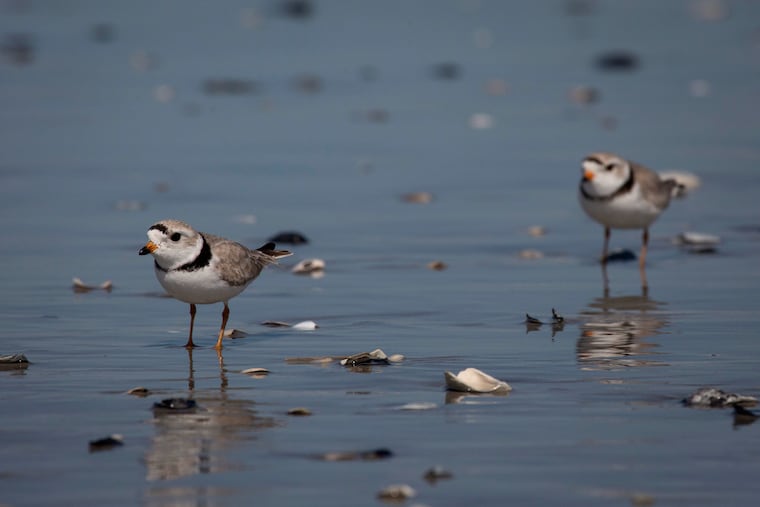
Trump removes long-standing protections, allowing drilling and mining in previously protected wild habitats.
The Trump administration recently initiated a controversial shift in the management of endangered species, significantly modifying the regulatory framework governing their habitats. This change, announced by the Interior and Commerce Departments, aims to allow increased agricultural, industrial, and real estate development activities in areas traditionally protected under the Endangered Species Act (ESA). Environmental advocates have labeled this move as one of the most substantial rollbacks of wildlife protections in half a century.
Central to this new policy is a reinterpretation of the term “harm.” Previously, the ESA encompassed a broad definition that included actions leading to significant habitat modification or degradation affecting the ability of endangered animals to thrive. For over 50 years, this definition has been upheld by federal courts, affirming that indirect impacts on wildlife, such as habitat destruction, were encompassed within the scope of the law.
However, the new ruling redefines “harm” to apply strictly to direct actions that result in the injury or death of individual animals. As a result, actions that might disturb an endangered species’ habitat, such as clearing land for agriculture or development, would no longer be deemed illegal. This regulatory adjustment is poised to exacerbate the threats facing many species that are already struggling to survive as their natural environments are encroached upon by human activities.
Environmental organizations have vowed to challenge this rule legally. Experts in environmental law express concern that should the matter reach the current conservative-dominated Supreme Court, the new definition may become entrenched, complicating any future restoration of previous protections.
The announcement comes amidst a broader trend of the Trump administration’s efforts to minimize environmental regulations that safeguard against climate change and species extinction. Previous actions have included exemptions for oil and gas drilling from measures intended to protect endangered animals.
In response to the alterations, advocates for wildlife state that the primary threat to endangered species is habitat loss, driven by human development and activity. They warn that this regulatory shift will further jeopardize vulnerable species already facing extinction pressures.
Public reaction has been predominantly negative, with nearly 99% of the 220,000 public comments submitted during the consultation period opposing the proposed changes. Even some state wildlife officials voice apprehension regarding the potential implications for species conservation, highlighting the essential connection between healthy habitats and the survival of endangered wildlife.
The implications of this policy change are expected to ripple throughout ecosystems and conservation efforts, as the long-standing framework protecting endangered species is reevaluated to accommodate economic interests. Stakeholders from various sectors, including the oil and gas industry, have praised the revision, framing previous regulations as burdensome.
As the debate continues, many experts warn that this pivotal moment could reverse decades of progress in wildlife conservation, raising concerns about the future of America’s endangered species and the ecosystems they inhabit. The ramifications of this decision will likely be felt for years, complicating efforts to address biodiversity loss and preserve natural habitats.


