Trump warns of threats from ‘the enemy within’ in urban areas, raising concerns about safety and national unity.
The Trump administration has continually come under scrutiny for its perceived racial biases, a pattern evident not just in isolated incidents but in the cumulative effect of its policies, rhetoric, and actions. Critics argue that the administration has systematically undermined racial progress through various executive actions and narratives that promote discrimination.
One significant action includes an executive order that enables federal contractors to engage in discriminatory practices. This was accompanied by efforts to dismantle diversity, equity, and inclusion initiatives while federal layoffs resulted in an estimated loss of over 300,000 jobs for Black women, exposing a stark reversal of gains made in racial equity and opportunity.
Additionally, the administration has been accused of legitimizing racial profiling, particularly against Latino communities. In the wake of violence against prominent figures within Trump’s circle, the framing of these incidents has often portrayed such individuals as martyrs, regardless of their controversial legacies, which included numerous racially insensitive remarks.
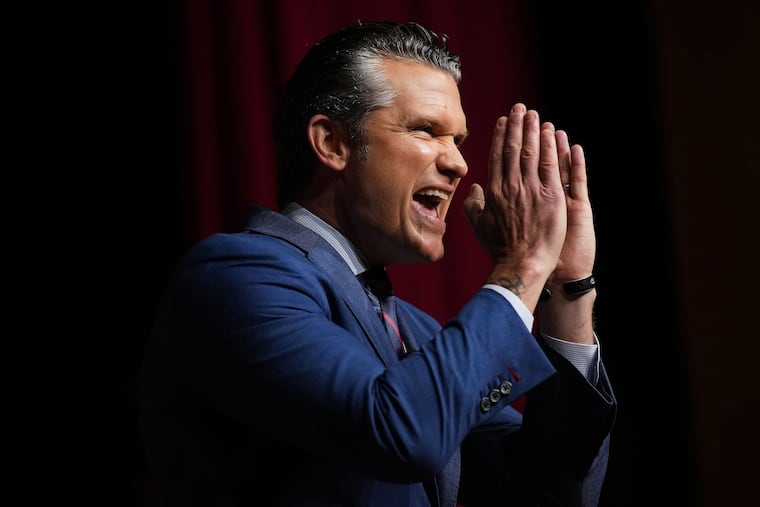
The administration’s rhetoric extends further into the military realm, where Defense Secretary Pete Hegseth has been noted for rallying over 800 military commanders, calling them to adopt a posture of hostility against perceived internal enemies. This language raises alarms about the potential militarization of domestic policy against American citizens, particularly in communities of color and those advocating for progressive values.
Moreover, Trump’s administration has demonstrated a willingness to deploy National Guard troops to cities with significant Black populations under the pretense of combating crime, as well as to areas experiencing civil unrest, raising questions about the motives behind such actions.
Critics argue that Trump’s political strategy thrives on exploiting fears and anxieties within segments of the population, leading his followers to believe that their rights and resources are under threat from those they perceive as “different.” This dynamic is particularly evident in ongoing conflicts regarding healthcare access, where Trump’s supporters appear to enthusiastically endorse government shutdowns that would dismantle tax credits benefiting millions.
As Democrats strive to maintain essential healthcare provisions that assist approximately 22 million Americans under the Affordable Care Act, Trump faces pressure to allow these safeguards to lapse. Amidst this backdrop, his rhetoric has been characterized by a troubling appeal to the most self-serving instincts within human nature.
While the current political climate may seem dire, there exists a glimmer of hope within the ranks of the military, traditionally seen as a microcosm of American society. The military has historically been a place where advancement is earned based on merit, challenging the assertions made by administration officials regarding promotions based on race or gender.
As the nation grapples with these pressing issues, the future of American values hinges on whether institutions like the military can rise above divisive politics, opting instead to uphold the principles of equality and justice as enshrined in the Constitution.
The implications of these developments are profound, shaping not only current socio-political discourse but potentially the trajectory of American society as a whole. As the situation evolves, the question remains: Will the fabric of American democracy withstand the pressures of divisive ideologies, or will it yield to authoritarian impulses that threaten its foundational ideals?
Media News Source