Trump’s administration takes steps to permit ranchers and hunters to cull gray wolf populations.
In a significant policy shift that underscores the ongoing tension between wildlife conservation and agricultural interests, President Donald Trump has directed the Interior Department to initiate the process of removing endangered-species protections for gray wolves. This move has reignited a long-standing debate between environmentalists and ranchers, who argue that the presence of these predators poses a significant threat to livestock operations.
President Trump has also mandated that the Interior and Agriculture departments take measures to facilitate the killing of gray wolves by ranchers, a request long advocated by Republican lawmakers in Western states. These developments have prompted swift denunciations from animal rights organizations, which are likely to mount legal challenges against the proposed actions.
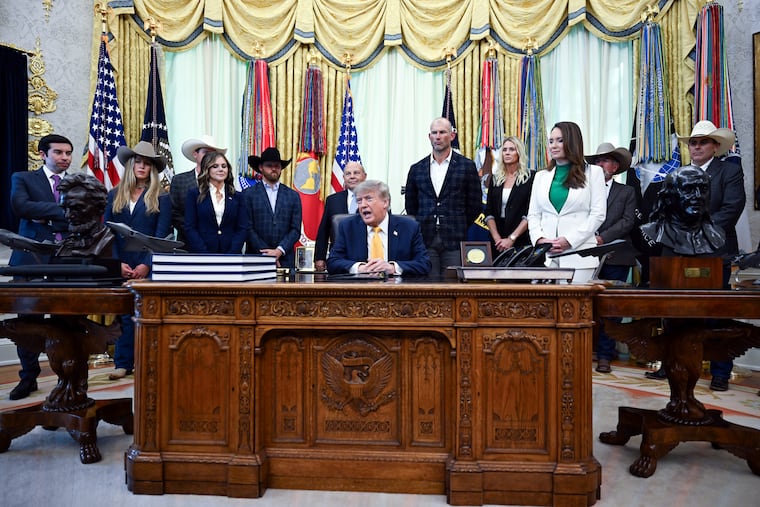
During a recent event in the Oval Office, the president reinforced his stance by highlighting the plight of ranchers, who have reported incidents of wolves attacking their herds. Tracing the rationale behind these new directives, Trump emphasized the need for ranchers to protect their livestock, suggesting that the current regulations restrict their ability to safeguard their livelihoods.
The initiative mandates that Interior Secretary Doug Burgum prepare recommendations for either fully delisting or downlisting the gray wolf and its subspecies under the Endangered Species Act. This order also stipulates various measures designed to grant states, ranchers, and hunters increased permission to cull these animals.
Critics of the proposal, including animal welfare advocates, warn that these policies could reverse decades of conservation efforts aimed at restoring gray wolf populations, which have rebounded from an estimated baseline of around 1,000 individuals in the early 1960s to over 6,000 by 2020, as reported by the U.S. Fish and Wildlife Service. Kitty Block, president of the Humane Society of the United States, contended that such actions may lead to serious consequences for both the species and biodiversity as a whole.
Historically, gray wolves were severely diminished due to habitat destruction and targeted eradication campaigns, which reduced their range in the contiguous United States significantly. The federal government designated them as endangered in the 1970s, but the recovery of their population has sparked discord over the justification for ongoing federal protections. Previous administrations, spanning both major political parties, have attempted to reassess these protections, facing challenges in court that have often reversed their decisions.
Through recent congressional actions, the dialogue surrounding the gray wolf has further intensified. The Republican-led House passed legislation to revoke gray wolf protections, while the Senate continues to deliberate on the matter.
As this contentious issue unfolds, ranchers are expressing their frustrations regarding the current regulations that limit their ability to act against wolf predation. Agriculture Secretary Brooke Rollins articulated the urgency of the situation during the Oval Office event, reinforcing the administration’s commitment to revising existing policies to assist ranchers in effectively managing their livestock while balancing the interests of wildlife conservation.
The outcome of these developments remains pivotal as wildlife advocates, ranchers, and policymakers navigate the complex landscape of environmental stewardship and agricultural economics in the United States.