Trump’s EV Policy Impact: Changes in the Battery Belt Industry
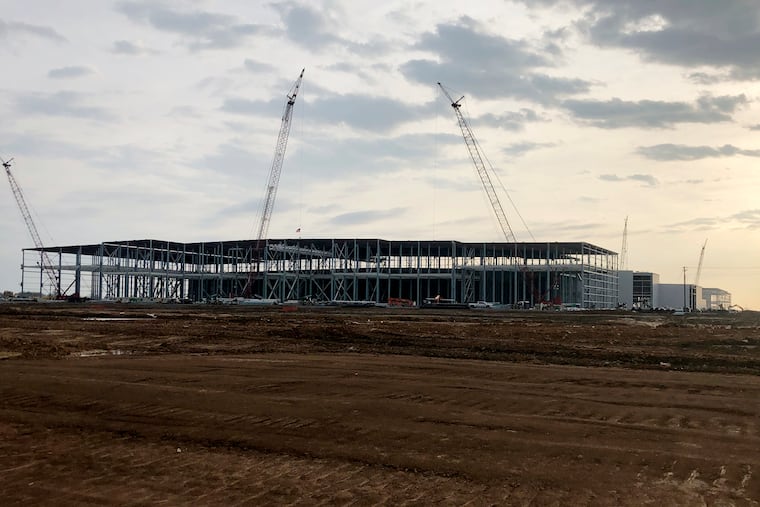
Stanton, Tennessee, a small town with a population of just 450, is experiencing a significant transformation with the introduction of a Ford electric vehicle (EV) factory and a joint-venture battery plant. This development, which is expected to provide around 6,000 jobs, began to take shape after Ford’s groundbreaking in 2022, prompting a surge of construction activities in the surrounding area. Local businesses, including diners, saw an influx of workers, while developers raced to build homes and necessary infrastructure to support the anticipated growth.
However, momentum in Stanton has slowed considerably as Ford has postponed various stages of the project. The EV truck plant’s initial production is now projected to start in 2027, with deliveries following in the subsequent year—delays that shift significantly from the original timeline, which aimed for operation as early as 2025. Ford has indicated that it would remain flexible in adjusting its product launch schedule to align with market demands and enhance profitability.
This Ford facility is a key part of the broader Battery Belt in the United States, which stretches from Georgia to Indiana and comprises numerous battery-related projects. Though these ventures promise to create a multitude of jobs in Republican-dominated states, a downturn in consumer interest in electric cars has led several automakers to reassess their plans for factory expansions. Compounding this uncertainty are recent policy shifts under the Trump administration, which have further complicated the electric vehicle landscape.
Ford CEO Jim Farley projected that electric vehicle sales could experience a significant decline—up to 50%—following the expiration of a ,500 tax credit for buyers in September. Such predictions have raised concerns among residents of Stanton, who had pinned their economic hopes on these projects. Alluding to the community’s anxieties, former Stanton Mayor Allan Sterbinsky expressed fears that Ford might not fulfill its commitments regarding the plant.
Ford has pointed to its community investment in Stanton, which includes grants aimed at supporting public safety initiatives, as part of a broader million commitment to the region. Despite these efforts, a recent analysis highlighted the potential for an oversupply of battery manufacturing capacity, exacerbated by waning consumer enthusiasm and shifting economic landscapes.
According to industry research, the planned battery plants could theoretically produce batteries for 13 million to 15 million electric vehicles annually by 2030, yet a more conservative estimate predicts only around 3 million electric vehicles will be produced that year, with many likely requiring imported battery components. Consequently, some analysts foresee a substantial disparity between future battery production capabilities and actual market demand.
The expiration of the tax credit, alongside various other policy measures aimed at reducing electric vehicle incentives, raises pressing questions about the future of the industry and its associated projects. The evolving landscape continues to influence investment in battery manufacturing and electric vehicle production, raising concerns about the sustainability of new ventures, including one of the largest projects ongoing: Hyundai’s .6 billion assembly plant and battery factory in Georgia.
As local economies look toward a future intertwined with electric vehicle manufacturing, the uncertainty surrounding production timelines and market demand remains a significant concern. Community leaders from Stanton and beyond are closely monitoring the developments, hoping for adaptability that would allow for a shift toward hybrid and internal combustion models as needed. The landscape of the automotive industry is evolving dramatically, and these small towns must navigate the potential challenges that lie ahead.
Media News Source