Trump’s executive order on homelessness and mental health eliminates effective solutions.
In late July, the White House took a significant step in addressing homelessness by issuing an executive order titled “Ending Crime and Disorder on America’s Streets.” This directive outlines a new strategy that deviates from the widely adopted Housing First approach. Housing First is a model that provides individuals experiencing homelessness with permanent housing without prerequisites such as sobriety or participation in treatment programs. Once sheltered, these individuals have access to voluntary supportive services that are designed to help them maintain their housing and improve their overall quality of life.
The executive order calls for federal agencies to halt their support for Housing First initiatives and instead redirect efforts toward institutionalizing homeless individuals in long-term settings. Critics argue that this approach is unlikely to resolve the ongoing housing crisis or achieve the administration’s goal of restoring public order. By reallocating funds away from successful Housing First programs, the order poses a threat to the advancements that numerous cities have made in reducing homelessness.
For instance, since 2011, Houston has achieved a remarkable reduction in chronic homelessness by approximately 70% and a decrease in overall homelessness by more than 60%. This success is attributed to the city’s comprehensive Housing First initiative, known as “the Way Home,” which has provided stable housing for over 26,000 people. Nationally, there has been a concerning rise in homelessness and unsheltered individuals. Yet, between 2007 and 2016, the country saw a 15% decline in homelessness, even in the wake of the Great Recession, which severely impacted employment and homeownership.
Historically, previous administrations have taken a more compassionate approach to homelessness. For example, the Obama administration invested .5 billion in the Homelessness Prevention and Rapid Re-Housing Program, aimed at preventing homelessness through rental assistance and case management for families at risk of eviction. Additionally, the inventory of permanent supportive housing increased by over 80% from 2007 to 2016, benefitting from both the Bush and Obama administrations’ policies.
In contrast, the current administration’s fiscal proposals for 2026 indicate substantial cuts to federal investments in critical housing programs, potentially undermining the progress made in tackling homelessness. The White House aims to consolidate funding into more restrictive short-term assistance programs, limiting the effectiveness of these resources.
The executive order relies on outdated misconceptions about mental illness and violence while reinforcing narratives of disorder and urban decay. It is essential to recognize that the vast majority of individuals with psychiatric disorders do not engage in violent behavior, and only a small percentage of violence in the U.S. originates from mental health issues.
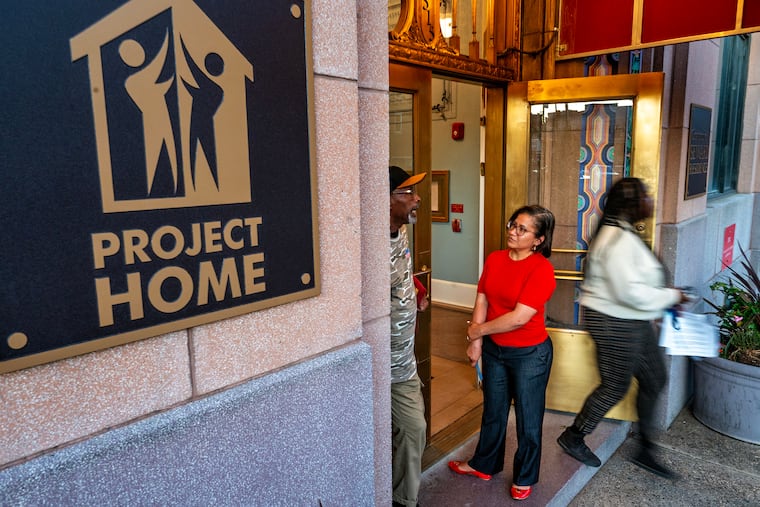
Moreover, while enforcement of anti-camping laws may seem like a solution, it merely displaces individuals without addressing the root causes of homelessness. As demonstrated by organizations like Project HOME in Philadelphia, which has provided over 1,000 housing units, a housing-first model combined with supportive services can significantly enhance stability and quality of life for individuals in need.
In summary, as the implications of the executive order unfold, it is crucial to advocate for strategies that prioritize permanent housing solutions rather than punitive measures. The principle remains that every individual deserves a place to call home.