Trump’s immigration officials testify before Congress after recent deaths of protesters.
The heads of key immigration enforcement agencies are scheduled to testify before Congress in a hearing that could have significant implications for the direction of U.S. immigration policy under the Trump administration. The agencies — U.S. Immigration and Customs Enforcement (ICE), U.S. Customs and Border Protection (CBP), and U.S. Citizenship and Immigration Services (USCIS) — are facing increased scrutiny related to their operations in urban areas, particularly in light of recent incidents that have raised questions about their accountability and practices.
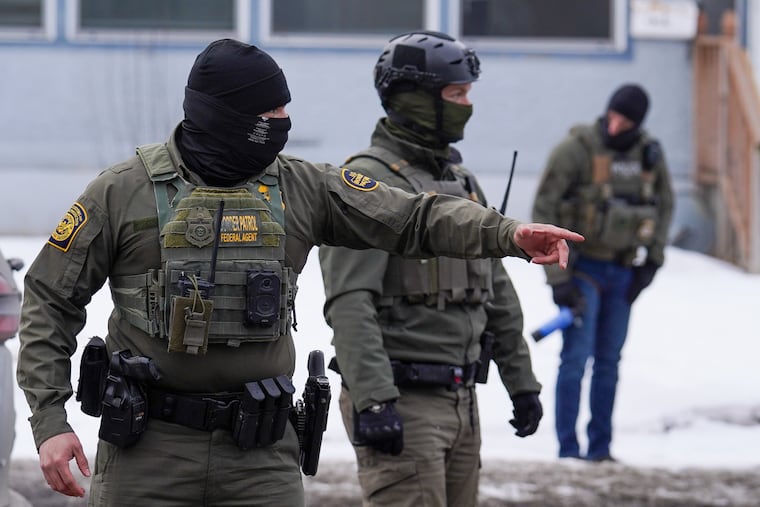
This testimony comes at a time when President Trump’s immigration strategy has been a focal point of national debate, especially following disturbing incidents involving the use of force by federal officers against protesters. These events have prompted concerns regarding the rights of both immigrants and citizens engaging in legitimate protest against immigration enforcement actions, which critics argue are excessively aggressive.
At the congressional hearing, Todd Lyons, acting director of ICE, Rodney Scott, head of CBP, and Joseph Edlow, director of USCIS, are expected to face intense questions about their agencies’ operations, particularly the controversial deployment of resources to cities across the nation aimed at increasing arrests and deportations. These enforcement activities have drawn concern from both sides of the political aisle, particularly as public support for the administration’s immigration policies appears to wane.
The operational changes led by ICE under Lyons have been characterized by a rapid hiring surge and a pronounced focus on enforcement actions within the United States, moving away from their conventional border security roles. This shift has fueled a heated debate in Congress regarding funding for the Department of Homeland Security (DHS) and whether future appropriations should come with restrictions that would limit aggressive enforcement tactics.
Advocates for stronger oversight argue that recent policies enacted by the Trump administration, including those permitting ICE officers to bypass traditional legal protections when executing arrests, undermine fundamental rights. Meanwhile, agency leaders contend that their actions are necessary to enhance national security by targeting individuals who have committed crimes or pose a broader threat.
The testimony marks a pivotal moment for these agencies as they grapple with both operational challenges and the ethical implications of their enforcement strategies. In a charged political atmosphere, the outcome of this hearing could shape the future contours of immigration policy in the United States, reflecting broader societal views on the balance between enforcement and civil rights protections.
Amid these proceedings, recent incidents, including the tragic shooting of protesters by federal agents in Minneapolis, have intensified scrutiny on agency practices, prompting calls for greater transparency and accountability. As the agencies navigate their roles amidst national unrest and political pushback, the ramifications of today’s hearing will likely resonate far beyond Washington, influencing the broader public discourse on immigration and law enforcement in America.