Trump’s rollback of environmental regulations poses risks to public health and financial stability for Americans.
In a landmark moment over five decades ago, President Richard Nixon proposed the establishment of the Environmental Protection Agency (EPA), fundamentally altering the landscape of environmental regulation in the United States. At that time, urban areas were frequently obscured by thick smog, and waterways were heavily polluted—issues that transcended political boundaries and sparked a collective demand for environmental protection.
The inception of the EPA was hailed as a bipartisan success, leading to significant improvements in air and water quality across the nation. However, recent developments under the Trump administration, particularly actions spearheaded by then-EPA Administrator Lee Zeldin, signify a controversial shift in environmental policy. Their approach has been characterized by a series of aggressive rollbacks of long-established regulations, raising concerns among environmental advocates and public health experts alike.
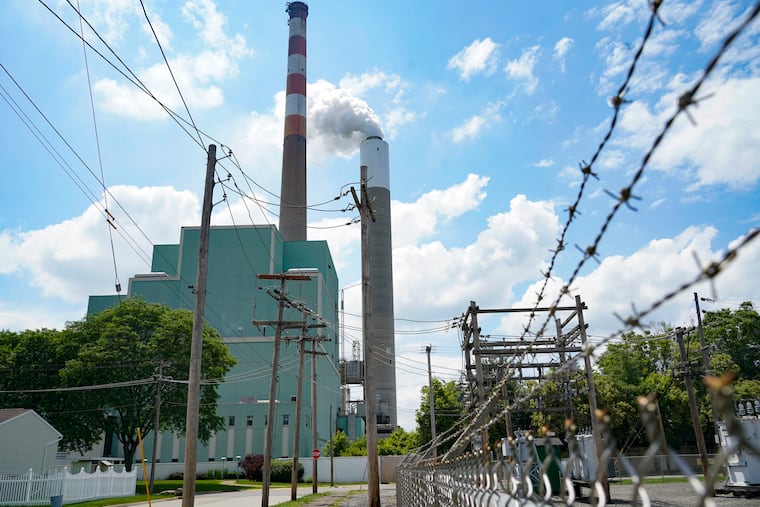
Among the most significant actions taken was the relaxation of mercury emission limits at coal power plants and the dismantling of the regulatory framework for greenhouse gases. These changes, critics argue, will have lasting repercussions not only for American citizens but also for the global community, as the impacts of climate change intensify.
Mercury, a toxic element prevalent in coal, poses serious risks to human health, including neurological damage and developmental issues in children. A study from Harvard University predicts that repealing mercury restrictions could incur annual health costs of up to 0 million, resulting in an increase in heart and lung diseases due to heightened emissions from coal plants. These health impacts, compounded by other dangerous pollutants like arsenic and lead, point to a troubling trend of prioritizing industrial deregulation over public health.
As the administration has pushed for a revival of coal energy, it has simultaneously stalled advancements in renewable energy technologies. Efforts to expand wind and solar power have faced bureaucratic obstacles, raising questions about the administration’s commitment to modernizing the energy sector in favor of antiquated solutions to contemporary challenges.
The withdrawal from the EPA’s critical “endangerment finding,” which established that greenhouse gas emissions pose a threat to public health and welfare, has dismantled a cornerstone of U.S. climate policy. This move, seen as a capitulation to fossil fuel interests, could further escalate pollution levels, exacerbate global warming, and ultimately lead to heightened costs for American consumers and taxpayers.
In states like Pennsylvania, the impact of such policy changes could be profound, with projected costs reaching billion in additional fuel expenditures and over billion in health-related expenses by the year 2055. The repercussions, including increases in asthma rates and other severe health conditions, underscore the urgency for renewed regulatory measures rather than further deregulation.
Efforts by organizations such as the Environmental Defense Fund to contest these rollbacks in court demonstrate a growing resistance to such drastic changes. As many countries pivot towards renewable energy and sustainable practices to address climate change, the U.S. risks falling behind, jeopardizing health and economic opportunities for its citizens.
While advocates for cleaner energy and reduced greenhouse gas emissions continue to push for a transformative approach, the current trajectory under the Trump administration reflects a stark reversion to past policies that many believed had been effectively addressed. The need for a comprehensive and forward-thinking energy policy has never been clearer, as both environmental integrity and public health remain at stake.