
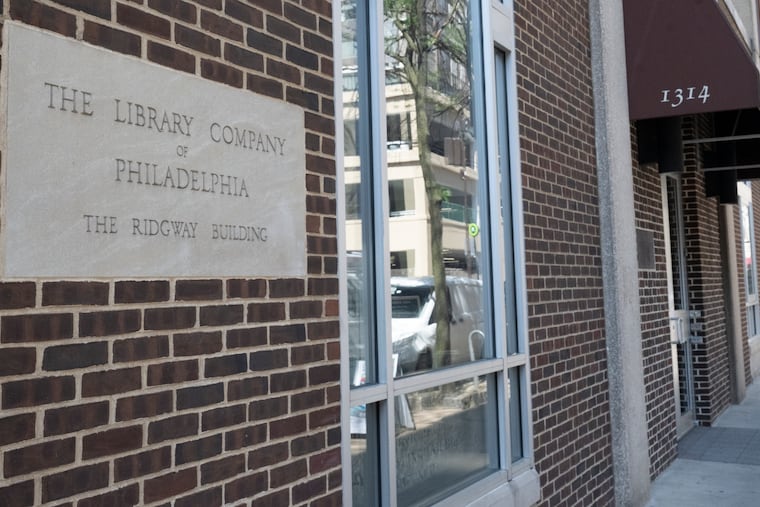
Trustee Resignation from the Library Company of Philadelphia Explained
The Library Company of Philadelphia, founded in 1731 by Benjamin Franklin and his contemporaries, stands as one of America’s most significant institutions. Throughout its nearly three centuries of operation, it has served as a vital educational resource, offering ordinary Philadelphians access to a diverse collection of literature, including works on Greek philosophy, science, and agriculture. This establishment not only influenced the intellectual landscape prior to American independence and played a crucial role in the early years of the republic, but it also contributed to the foundational principles that would shape the U.S. Constitution.
Historically, the Library Company operated as the country’s first Library of Congress from 1774 until 1800, making it a cornerstone of American cultural and civic life. Today, it functions as a research library, showcasing an extraordinary array of materials significant to 18th- and 19th-century American culture. Visitors can experience unique historical items, including rare pamphlets such as the 1794 “Refutation” by Richard Allen and Absalom Jones, which challenged misconceptions about Black Philadelphians during an outbreak of yellow fever.
Despite its invaluable resources and historical significance, the Library Company has faced financial challenges in recent years, leading to concerns about its future viability. In 2023, the board was informed of the potential closure if no substantial funding was acquired to support its operations.
On October 9, 2023, the Library Company’s board of trustees voted to cede its independence to Temple University, a decision that sparked significant debate among stakeholders. Although the Library Company will retain its name, it will lose its status as an independent institution—transitioning into one of several libraries within the Temple University system. This move is viewed by some as a detrimental alteration of the Library Company’s historical identity, raising questions about the management and preservation of its collections.
The affiliation with a public university has raised concerns about potential political interference and its impact on the accessibility of the Library Company’s collections. The apprehension is rooted in a broader societal shift towards limiting discussions surrounding diverse perspectives in history, particularly those involving race and gender.
Despite Temple University’s assurances regarding its commitment to diversity, equity, and the safeguarding of academic freedom, skepticism remains. Many worry that the current landscape in higher education is susceptible to political pressures that may undermine the integrity of research and scholarship.
As discussions continue regarding the future of this historic library, advocates stress the importance of preserving the Library Company as an independent entity, recognizing its role as a protector of free thought and intellectual inquiry. The Library Company’s legacy, akin to that of the Liberty Bell and Independence Hall, deserves careful consideration and protection as it navigates this transitional period.
As the discourse surrounding educational and cultural institutions evolves, the fate of the Library Company becomes emblematic of the broader tensions within American society regarding access to knowledge and the preservation of history.
Media News Source


