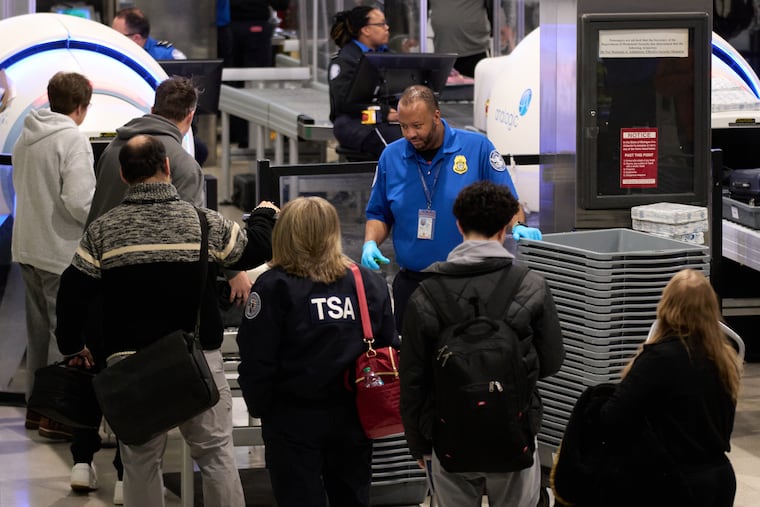
TSA agents at U.S. airports are working unpaid as a result of the ongoing government shutdown.
A recent shutdown of the U.S. Department of Homeland Security (DHS) has raised concerns among travelers and industry professionals about potential disruptions to air travel. This shutdown, which commenced early Saturday, impacts the Transportation Security Administration (TSA), the agency tasked with the critical function of screening passengers and luggage at airports nationwide. The situation carries echoes of a previous 43-day government shutdown that resulted in unprecedented flight cancellations and delays, making travelers particularly anxious as they prepare to head to airports.
During this current shutdown, TSA officers will continue to work without pay while lawmakers strive to reach an agreement on DHS funding. Historically, TSA personnel have remained on duty during shutdowns; however, aviation experts suggest that this particular situation could unfold differently, with potential impacts emerging more quickly due to the recent memory of the last disruption.
Industry groups representing airlines and the broader travel sector have expressed concern that prolonged lapses in DHS funding could exacerbate security lines at commercial airports. As of now, the rest of the federal government, including air traffic controllers at the Federal Aviation Administration, is funded through September 30, which may help mitigate widespread flight cancellations typically associated with these funding impasses. According to the DHS’s contingency plan, the vast majority—approximately 95%—of TSA personnel are classified as essential workers and are thus mandated to continue their duties despite the funding freeze.
Travelers should be particularly mindful of the unpredictability associated with airport security. Even minor staffing shortages or unscheduled absences could result in longer wait times, especially at smaller airports where a single checkpoint may service all passengers. Experts recommend that travelers plan to arrive at airports earlier than usual in anticipation of potential delays.
Attention to packing is also critical; passengers should avoid items restricted by TSA regulations in their carry-on luggage, as these could further complicate and prolong the security screening process.
As negotiations to resolve the shutdown continue, lawmakers are under pressure to reach an agreement. The White House has been actively involved in discussions, yet significant obstacles remain, particularly as some Democrats condition their support for DHS funding on new immigration restrictions following recent incidents involving federal enforcement agents.
As the situation develops, the impacts on air travel could deepen, especially with the busy spring break travel season on the horizon. Industry leaders caution that having essential TSA personnel working without pay holds inherent risks, including increased absenteeism and elevated wait times. The consensus among travel experts is clear: proactive planning and patience will be critical for travelers navigating potential complications during this period of uncertainty.