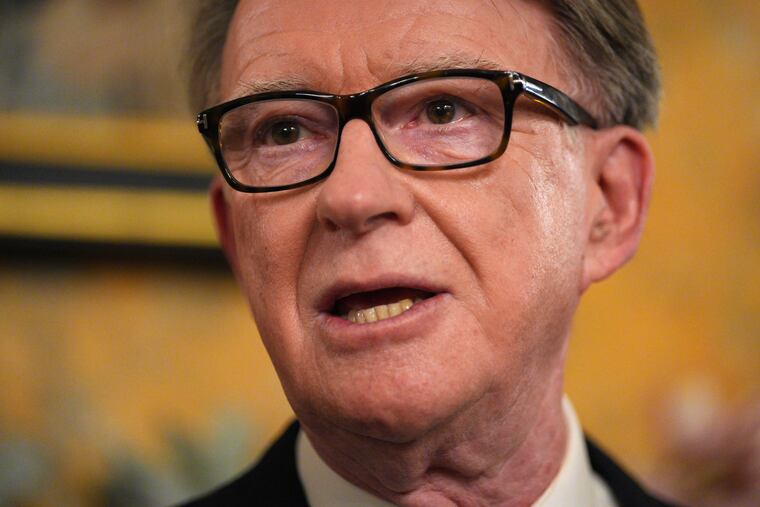
U.K. Ambassador to the U.S., Peter Mandelson, dismissed due to connections with Jeffrey Epstein.
LONDON — In a significant political development, U.K. Prime Minister Keir Starmer announced on Thursday the dismissal of the country’s ambassador to the United States, Peter Mandelson. The decision comes in the wake of newly disclosed emails that revealed Mandelson’s extensive past interactions with the late convicted sex offender Jeffrey Epstein. These revelations have prompted questions about Mandelson’s suitability for such a key position.
During a session in the House of Commons, Foreign Office Minister Stephen Doughty outlined that the emails, which were from the early 2000s, showed Mandelson offering support to Epstein even during periods when Epstein was facing serious legal issues related to sexual offenses. Doughty emphasized that the nature of Mandelson’s relationship with Epstein was significantly more complicated than what was known at the time of his appointment to the ambassadorial role in February of this year, shortly after Starmer’s Labour Party secured a decisive electoral victory.
Mandelson, who underwent what the government described as an “extensive” vetting process prior to his appointment, expressed regret for his former connections to Epstein and maintained that he had no knowledge of Epstein’s criminal activities. However, the content of the emails, notably one in which Mandelson suggested challenging Epstein’s 2008 conviction as “wrongful,” has raised alarm among government officials.
The fallout escalated further when details emerged from The Sun newspaper, which published emails reportedly indicating that Mandelson had advised Epstein to pursue an early release just before his sentencing to serve 18 months in prison for soliciting prostitution from a minor. This correspondence included Mandelson expressing admiration for Epstein, saying he thought highly of him.
The abrupt decision to fire Mandelson follows a day after Starmer publicly expressed confidence in him, marking yet another challenge for the Prime Minister as he navigates his government’s image and credibility. This incident comes amid preparations for an official state visit by U.S. President Donald Trump next week, which is expected to be accompanied by protests and other controversies. In the interim, James Roscoe, the U.K. deputy head of mission in Washington, will take on the role of acting ambassador.
Mandelson’s political history is marked by previous controversies, including two resignations from former Prime Minister Tony Blair’s government. His expertise in trade was viewed as beneficial in negotiating with the Trump administration, particularly evidenced by a trade deal reached earlier this year, although details remain pending.
This sudden turn of events has sparked broader discussions regarding Starmer’s judgment in appointing someone with Mandelson’s controversial background to such a pivotal diplomatic role. Historically, appointments to U.K. ambassadorships have favored career civil servants, making Mandelson’s fast-track ascendancy particularly notable. As the situation develops, it is evident that Mandelson’s connections to Epstein will continue to be a focal point of scrutiny, raising questions about the implications for British politics and international relations.
The renewed attention on Mandelson has intensified following the release of a 50th birthday album for Epstein, which included notes from various high-profile individuals, further entrenching the complexities surrounding the late financier’s legacy and his powerful acquaintances. Epstein’s death in prison in August 2019 while awaiting trial on sex-trafficking charges adds another layer of complexity to this ongoing narrative.
As the U.K. government seeks to rectify its image, the ramifications of this incident will likely influence public perception and future political appointments.