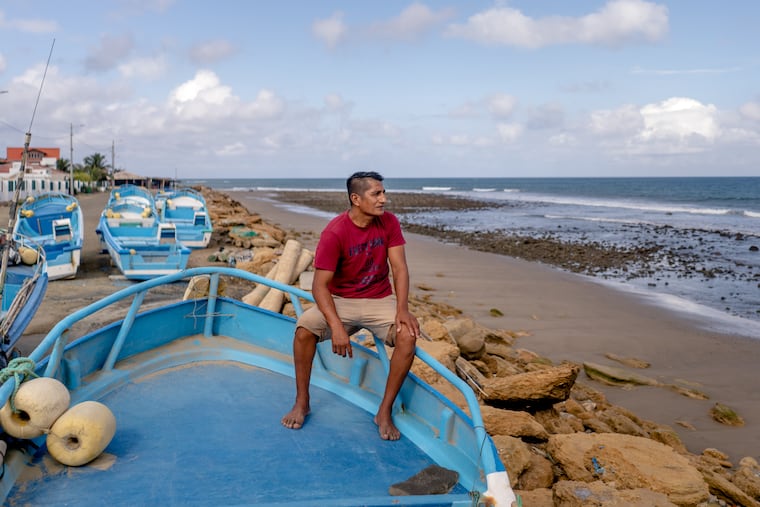
U.S. changes anti-drug strategy, now seizing crews and destroying boats during maritime operations.
In recent weeks, a series of contentious maritime operations conducted by U.S. military forces in collaboration with Ecuadorian authorities have sparked significant debate regarding effectiveness and legality. The operations, aimed at disrupting drug trafficking routes in the vicinity of Ecuador’s waters, have resulted in the detention of numerous fishermen suspected of aiding traffickers. However, many of these individuals have been released without charges amid criticism over the lack of substantial evidence linking them to any criminal activity.
The U.S. Southern Command has asserted that its actions are part of a concerted effort to combat narco-terrorism in the region. Following a significant operation on September 2, which involved the destruction of a vessel deemed to be supplying fuel for traffickers, armed U.S. Marines detained nine fishermen. These men, having their eyes covered and hands zip-tied, reported an atmosphere of fear, detained aboard a military vessel for an extended period before being handed over to Ecuadorian authorities. Within two days, they were released, with no charges filed against them. Ecuadorian courts determined that insufficient evidence had been presented to justify their detention, leading to a ruling that their arrest was illegal.
The broader U.S. strategy encompasses the seizure and destruction of larger fishing vessels suspected of facilitating drug trafficking operations, moving away from prior tactics that predominantly targeted smaller boats. Nevertheless, in the wake of multiple interdictions, it has become clear that many crew members are being released either uncharged or acquitted due to a lack of incriminating evidence. Reports suggest that U.S. operations have resulted in approximately 160 detentions over a span of less than a month, with most detainees returning home shortly thereafter.
Ecuador, under the leadership of President Daniel Noboa, has cooperated closely with the U.S. military in these operations despite a recent national referendum that expressed public opposition to foreign military presence in the country. Ecuadorian officials have facilitated intelligence sharing to enhance the efficacy of these operations, which are currently framed as joint initiatives to address escalating drug-related violence. Despite the apparent cooperation, the U.S. Southern Command has refrained from commenting on specifics of the operations or providing evidence to support arrest claims, leading to speculation about the motivations driving such decisions.
Critics, including rights activists, argue that these military actions lack transparency and that the U.S. has not sufficiently demonstrated a rationale behind the detentions and vessel destructions. The ramifications for local fishing communities have been grave, with many fishermen reporting an atmosphere of intimidation and fear, compelling them to suspend their activities. Witness accounts and legal representations reveal systematic issues of coercion and insufficient legal grounding underpinning these military operations.
Leading up to the latest operations, Ecuador had emerged as a pivotal ally in the Trump administration’s efforts against drug trafficking networks. Still, the escalating situation raises questions about the long-term effectiveness and ethical implications of U.S. military involvement in combating drug-related crime in the region, prompting calls for a reassessment of strategies that seem to disproportionately impact local communities.
Media News Source