
U.S. health officials aim to eliminate artificial dyes from the food supply.
U.S. health officials are taking steps to promote the gradual elimination of petroleum-based artificial colors from the nation’s food supply, as announced during a press briefing. The Food and Drug Administration (FDA) is encouraging food manufacturers to transition to natural alternatives by 2026, although the agency fell short of outlining a definitive ban or detailed enforcement strategy.
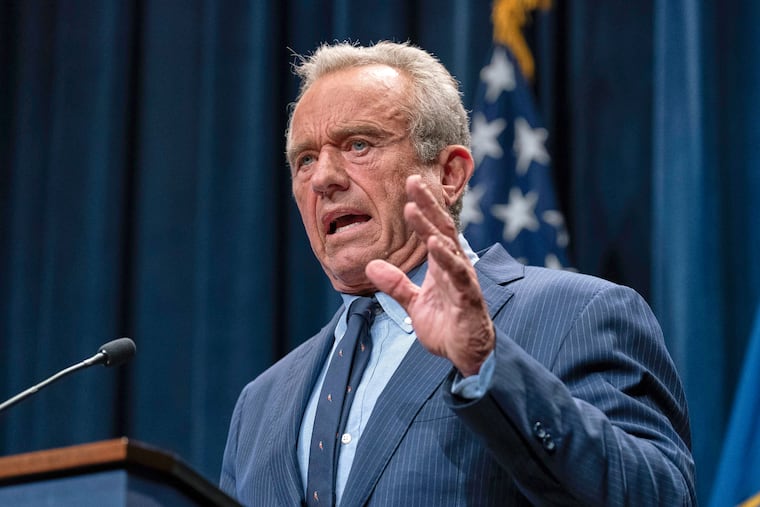
FDA Commissioner Marty Makary indicated that the initiative would largely depend on voluntary compliance from the food industry. Health Secretary Robert F. Kennedy Jr. conceded that while there has been communication with food producers, there are no formal agreements in place concerning the future of synthetic food dyes.
In his address, Makary confirmed that the FDA will set standards and timelines aimed at encouraging the industry to replace petrochemical dyes with natural ingredients, similar to practices already adopted in Europe and Canada. This initiative is viewed as a protective measure for children’s health, as the agency aims to curb the long-term exposure of synthetic additives tied to potential health risks.
For decades, health advocates have raised concerns regarding the safety of artificial dyes, particularly their potential links to neurobehavioral problems like hyperactivity in children. Although the FDA has maintained that approved dyes are safe for consumption, the announcement has garnered praise from health advocates who argue that the aesthetic value of these dyes often outweighs any nutritional benefits.
The current regulatory framework allows 36 food color additives, with eight being synthetic, including those recently flagged for concern. In a more definitive move, the FDA announced plans to ban the use of Red 3—a dye linked to cancer in laboratory tests—within food products by 2027.
Despite the FDA’s assurances, industry representatives argue that artificial dyes have been deemed safe by regulatory bodies globally, and they express skepticism about the urgency to phase them out. In particular, the International Association of Color Manufacturers cautioned that an enforced reformulation process could create disruptions in the food supply chain and affect affordability.
As discussions surrounding the proposed changes unfold, reactions from the food industry have varied. Some manufacturers, like those associated with the International Dairy Foods Association, have committed to eliminating artificial colors from specific products sold in U.S. school meal programs by July 2026. However, others have hesitated to make similar commitments, preferring to emphasize the safety of existing ingredients.
Moving forward, the FDA’s initiative reflects a growing awareness of consumer apprehension regarding food additives. While proponents argue for a necessary shift towards safer food options, critics maintain that the focus should encompass broader dietary discussions that impact public health. The landscape of food additives in the United States is thus poised for transformation, as regulatory, industry, and health advocacy groups navigate the complexities of reforming food safety standards.
Media News Source


