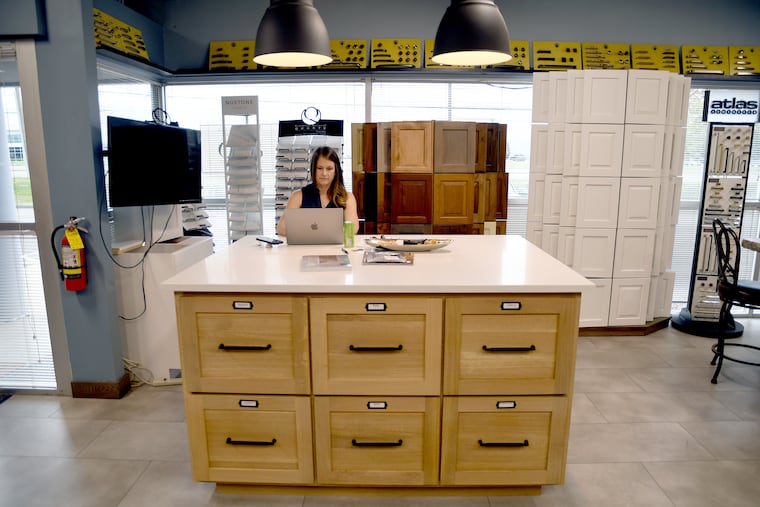
U.S. kitchen cabinet companies adapt as new wood tariffs take effect.
Cabinet dealers, interior designers, and remodeling contractors across the United States are anticipating a significant shift in the market following the implementation of new tariffs on imported kitchen cabinets, bathroom vanities, and upholstered wooden furniture, which took effect on October 14. These tariffs aim to stimulate domestic production and create an environment that favors local businesses through reduced competition from foreign imports.
However, the short-term effects are casting a shadow over these expectations. Small business owners within the home improvement industry fear that existing clients may reconsider their projects in light of increased costs attributed to the tariffs. Budget-conscious homeowners, already wary due to soaring inflation and economic uncertainty, may postpone renovations amidst rising material prices. The concern is that unfavorable public perception regarding the price hikes could deter potential customers, particularly if they are alerted to reports forecasting dramatic increases.
Despite these apprehensions, a recent forecast from Harvard University’s Joint Center for Housing Studies suggested that spending on home improvements and maintenance is likely to remain stable through mid-2026, reflecting ongoing demand even in the face of economic pressures such as elevated mortgage rates and housing market constraints.
The U.S. government has positioned these tariffs as a necessary measure to protect national security and counter perceived predatory trade practices. Imported kitchen cabinets and vanities now face a 25% tariff, escalating to 50% on January 1, alongside a 10% tax on softwood timber and lumber. The tariffs are designed to help combat what the American Kitchen Cabinet Alliance describes as a flood of low-cost imports from countries like Vietnam and China, which have proliferated since much of the U.S. manufacturing sector has moved offshore.
While larger businesses may absorb these costs initially, others are adopting a more aggressive approach by increasing prices to compensate for tariff implications. Some analysts suggest these measures could add approximately 0 to the average cost of constructing a single-family home—an increase that, given the overall project costs, is unlikely to derail major development efforts.
Household names in the cabinetry industry are watching the evolving landscape closely. For example, companies that produce American-made cabinetry are hopeful for new business opportunities as consumers seek alternatives to increasingly expensive imports. However, this surge in interest may threaten to outpace manufacturers’ capacity to meet demand—challenges akin to those observed during the pandemic when raw materials became scarce.
As the dust settles on these recent developments, it remains to be seen how the remodeling industry will adjust to the influx of costs and changing consumer behaviors. With increasing uncertainty surrounding material availability and pricing, home improvement professionals underscore the importance of communicating the complexities of the situation to potential clients. Ultimately, balancing the pressures of tariffs and consumer confidence will be crucial as the industry navigates these transformative times.