
U.S. Steel explosion follows a history of cost-cutting measures and unfulfilled commitments.
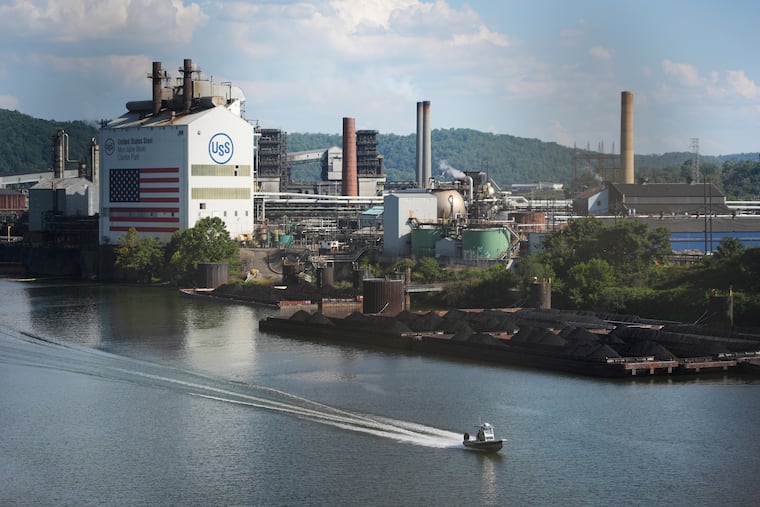
In the wake of a tragic explosion on August 11 at the Clairton Coke Works, a coal-fed facility near Pittsburgh, Pennsylvania, concerns surrounding maintenance practices and employee safety within the steel manufacturing sector have come to the forefront. The incident resulted in the deaths of two employees, sent ten others to the hospital, and unleashed a plume of black smoke that alarmed local residents. Environmental advocates, including the nonprofit Breathe Project, assert that the explosion could have been averted if United States Steel Corporation had properly enacted necessary upgrades and maintenance at the plant.
At present, investigators from U.S. Steel and the federal Chemical Safety and Hazard Investigation Board are actively probing the causes of the explosion, with preliminary findings indicating that a malfunctioning valve, notably outdated and lacking modern safety technology, was the primary culprit. Unfortunately, federal investigations of this nature can often extend over a year.
Critics, including Matthew Mehalik, Executive Director of the Breathe Project, argue that the explosion is emblematic of a long history of neglect by U.S. Steel. The company has reportedly delayed essential maintenance and indefinitely postponed upgrades despite years of promises to improve the facility. Instead of directing funds toward plant improvements, they have opted to invest millions in lobbying efforts to resist regulatory changes that would enhance safety measures.
The Clairton facility is notorious for its pollution output; it produces 4.3 million tons of coke annually and has been identified as Allegheny County’s most significant pollutant contributor. Its operations are linked to elevated health risks, including increased rates of asthma and cancer. Efforts to transition towards greener steel production practices are ongoing, but local residents remain skeptical.
In June, U.S. Steel was acquired by Nippon Steel for .9 billion, with promises of a .4 billion investment in facility upgrades. Following the explosion, however, communication with local activists regarding safety measures has been virtually non-existent, leading to growing frustration among community leaders.
This accident highlights not only the ongoing challenges within the steel industry but also raises pressing questions about the longstanding practices of U.S. Steel, particularly regarding maintenance prioritization. Critics emphasize the need for deeper accountability and investment in operational safety to protect both workers and residents in the vicinity of the Clairton Coke Works.
As investigations unfold and community concerns mount, the steel industry stands at a crossroads, with calls for oversight and modernization echoing against the backdrop of past neglect and ongoing hazards.


