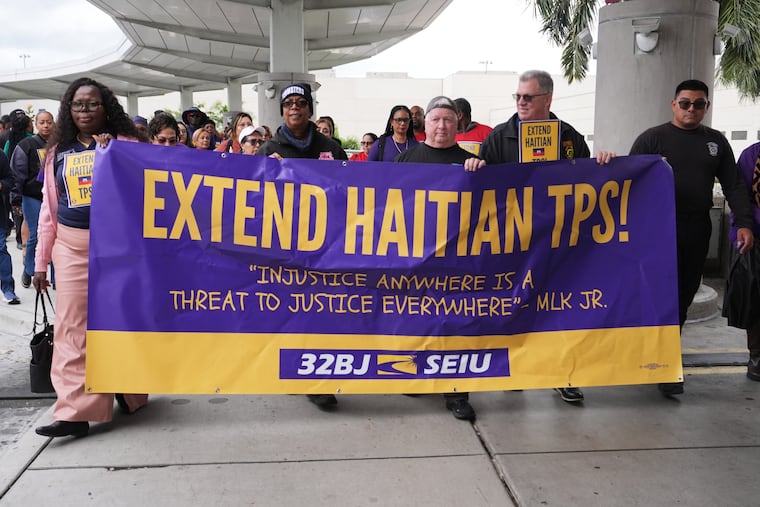
U.S. to experience financial losses as temporary protections for thousands of immigrants are terminated by the Trump administration.
The expiration of Temporary Protected Status (TPS) for over a million immigrants, including recent losses for individuals from Haiti and Syria, has ignited serious concerns regarding the economic and social implications for both the affected families and the broader U.S. community. TPS, a humanitarian designation allowing eligible individuals to live and work in the United States amid crises in their home countries, is set to cease for approximately 170,000 individuals from El Salvador in September, followed by 100,000 from Ukraine in October.
As TPS ends, advocates and researchers emphasize the repercussions for American families, particularly those that include U.S. citizens, as many TPS holders are parents or spouses. The Trump administration has indicated its intention to deport individuals who lose this legal status, which could result in distressing family separations and challenges for American citizens reliant on the income and support of their TPS-holding relatives.
Economic analysts assert that the implications stretch beyond individual hardship. TPS recipients make significant contributions to the U.S. economy, engaging in vital sectors such as construction, healthcare, and food services. Collectively, the nation’s TPS holders contribute billions in taxes annually, with a notable impact on local economies and Social Security solvency. Experts warn that the removal of a substantial number of productive workers could lead to increased inflation and higher costs for essential services such as healthcare and housing.
Florida, Texas, and New York harbor the largest populations of TPS holders, but statistics show that every state is impacted. The Philadelphia region alone could see a loss of 4,600 workers, primarily in crucial sectors, resulting in reduced service availability and potential declines in operational efficiency. With a workforce already strained, particularly in the healthcare and service industries, local economies could experience notable setbacks in the wake of these policy changes.
The American Business Immigration Coalition and various immigrant advocacy organizations are voicing their concerns, noting that the ongoing struggle for a fair immigration system is intertwined with the nation’s economic vitality. They argue that the current trend of terminating TPS for various nationalities could undermine the United States’ ability to sustain economic growth, especially as birth rates decline and the domestic labor pool shrinks.
This situation signals not only a potential humanitarian crisis but also raises questions about the future of U.S. immigration policy in a rapidly evolving economic landscape. As the debate unfolds, the urgency for a definitive response from the administration grows, particularly in light of the challenges facing both TPS holders and the communities they support. The call for proactive measures to address this pressing issue will undoubtedly intensify as deadlines approach for those at risk of losing their legal status.
Media News Source.