U.S. Treasurer announces end of copper-clad penny production during visit to Philadelphia Mint, concluding 232-year history.
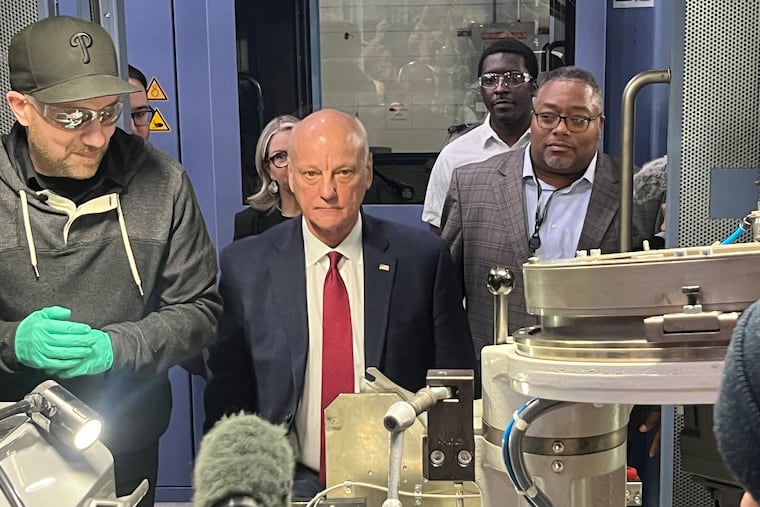
The United States made a significant transition regarding its currency with the cessation of penny production, a practice that began in Philadelphia in 1792 when the city served as the nation’s capital. On a recent Wednesday, U.S. Treasurer Brandon Beach marked this momentous occasion by pressing a ceremonial button at the Philadelphia Mint, officially signaling the end of an era. Despite this symbolic act, it is noteworthy that the last pennies intended for public circulation were minted in July, as operations at the Mint continue to include other denominations such as nickels.
The decision to discontinue the penny was influenced by various factors, including the coin’s decreased purchasing power due to inflation and the rising costs associated with its production. The U.S. Mint revealed that each penny costs approximately 3.69 cents to create, leading to financial inefficiencies. The current economic landscape has largely favored digital transactions, eliminating the necessity for such low-denomination coins in everyday transactions like parking meters and public transportation.
Brandon Beach attributed this change to initiatives aligned with former President Donald Trump’s administration, asserting that it represents a significant step toward modernizing currency to better fit the wallets of contemporary Americans. The last notable discontinuation of a U.S. coin occurred in 1857 when the half-cent was phased out.
In a broader context, the Mint’s operations have been under scrutiny due to workforce reductions and hiring freezes—staff levels have decreased from around 400 to approximately 300, partly attributed to early retirements initiated in response to cost-cutting measures. The agency is currently operating with an efficient workforce across three shifts on a 24-hour basis.
The reduction in demand for new coinage has been sharply evident; production peaked at 15 billion coins in fiscal 2021 but plummeted to under 6 billion the following year. The trend indicates a gradual decline in cash usage, with a modest increase of less than 1% in overall currency use in the past year—a record low.
With the Mint projecting an estimated annual savings of million from halting penny production, the financial implications are considerable. While the production of other coin types persists, the future of nickel production remains uncertain, as officials have not announced any plans to discontinue it. As this historical shift unfolds, the Mint continues to adapt to changing consumer behaviors and the evolving landscape of American currency.