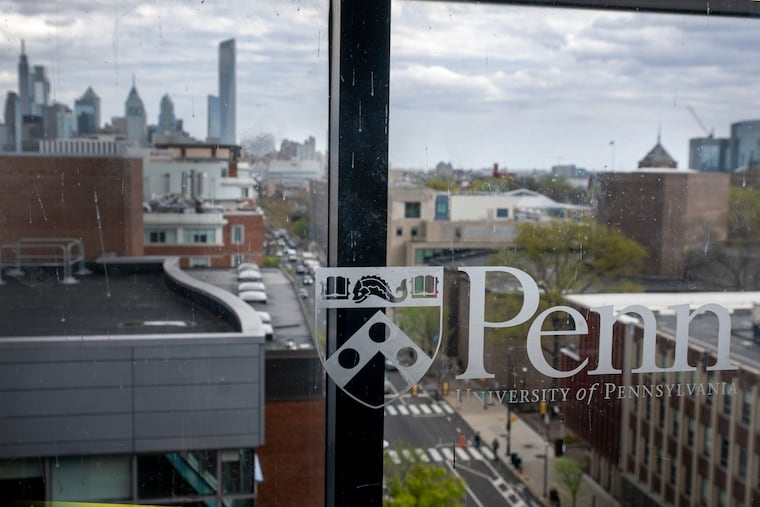
University Focuses on Self-Improvement and Wellness Initiatives
The University of Pennsylvania has recently rejected a proposal from the Trump administration that offered preferential treatment in federal funding in exchange for compliance with a variety of the administration’s educational demands. This decision has been welcomed by educators and students alike, as it signifies a commitment to institutional autonomy amid increasing pressures on higher education.
The compact put forth by the Trump administration required that universities not only adhere to political directives but also fundamentally alter their approach to teaching and student costs. Academic leaders expressed concerns that compliance would compromise the autonomy essential for higher education institutions. The University of Pennsylvania’s decision to reject the compact aligns it with other prominent institutions, including MIT, Brown University, the University of Southern California, and the University of Virginia, which also turned down the offer made to nine universities earlier this month.
While the refusal of the compact was met with approval, the challenge now lies in realizing the goals that were outlined in the proposal without federal oversight. The compact’s aim to foster a “vibrant marketplace of ideas” is a commendable objective, yet the enforcement measures proposed raised both ethical and practical concerns about educational integrity. Specifically, there were fears about entrusting the evaluation of political bias and institutional culture to a federal administration with a controversial stance on higher education.
Critics of the current educational culture often point to the suppression of conservative viewpoints on campuses. Civil discourse and robust debate are vital components of a healthy academic environment, and the current climate may inhibit those essential interactions. A survey revealed that a notable percentage of students at Penn plan to support Trump in the upcoming election, suggesting a significant segment of the student body feels disconnected from the prevailing educational narratives.
Additionally, issues such as grade inflation and the overall decline in rigor within elite universities are prompting calls for reform. Educators have noted that students are frequently rewarded without a consistent standard for achievement, undermining the integrity of academic evaluation. Moreover, the financial burdens placed on students, exacerbated by reductions in state funding, are pushing higher education away from its intended purpose as a public good accessible to all Americans.
The path forward requires that universities prioritize quality teaching and an open exchange of ideas while advocating for increased public support for higher education. This dual approach could restore trust in academic institutions and reaffirm their role in fostering a vibrant democratic society. The rejection of the Trump administration’s compact may well mark a pivotal point for institutions like the University of Pennsylvania as they seek to navigate the complexities of modern higher education.
As the University of Pennsylvania confronts these challenges, the responsibility to transform the educational landscape ultimately resides with its leaders, faculty, and students. Substantial change will necessitate commitment and innovation from within.
Media News Source