Urban public education shows continuous improvement despite ongoing challenges.
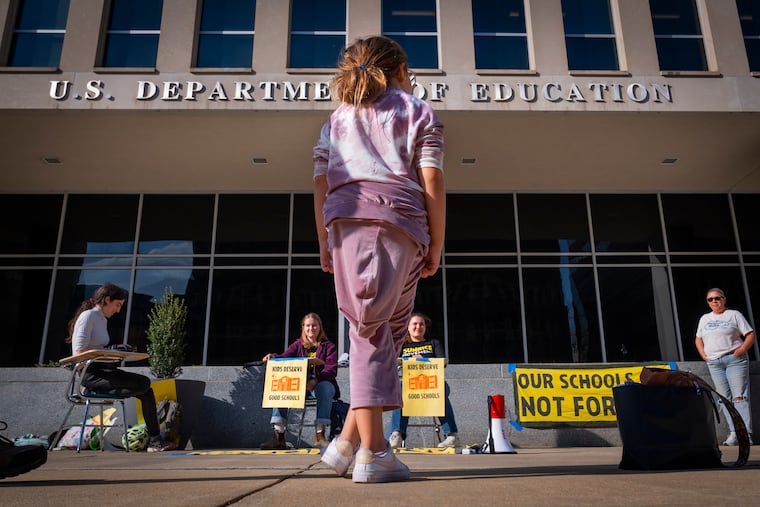
Urban public education is undergoing significant scrutiny as stakeholders question whether recent reforms and financial investments are yielding tangible improvements. Public education, once seen as the great equalizer envisioned by 19th-century reformer Horace Mann, now faces critical examination to determine if it is enhancing student lives or merely reflecting societal inequalities.
The National Assessment of Educational Progress, commonly referred to as the Nation’s Report Card, provides key insights into the performance of urban public schools. Recent data reveals that large urban school districts, including those in Philadelphia, have demonstrated notable progress. Between 2003 and 2024, these districts saw gains that outpaced those of schools nationwide, narrowing achievement gaps by 65% to 37%, depending on grade and subject. This raises the question of whether urban schools are indeed providing valuable education to their students despite the challenges of poverty and other socioeconomic barriers.
The academic outcomes speak for themselves. The Nation’s Report Card indicates that large city schools are achieving results that exceed expectations when factoring in family income and related issues. Rather than merely mirroring the socio-economic struggles of their student populations, these schools are actively mitigating the effects of such challenges, as evidenced by improvements in test scores and graduation rates.
Furthermore, the improvements extend beyond standardized tests. Metrics such as four-year graduation rates, ninth-grade core course passing rates, and enrollment in Advanced Placement courses illustrate a more robust academic environment. Urban students are increasingly successful in AP courses, with the percentage of students scoring three or higher rising from 38% in 2016 to 51% in 2020.
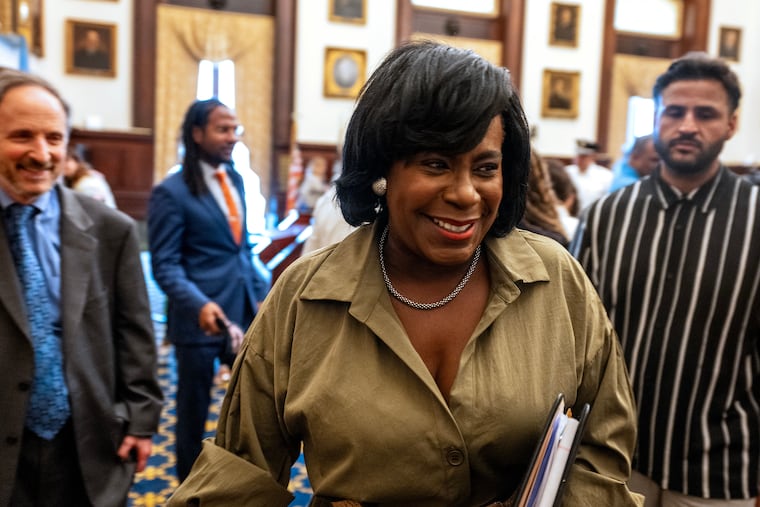
One noteworthy case is the Philadelphia School District, under the leadership of Superintendent Tony B. Watlington Sr. and board president Reginald L. Streater. Data shows that Philadelphia’s schools experienced a recovery from the pandemic that surpasses the national average, especially in math and reading achievements. Only one other major city school district has shown greater recovery in eighth-grade math scores.
The lessons learned from the Council of the Great City Schools underscore that proactive leadership focused on student achievement can lead to substantial improvements in urban education. When educational leaders prioritize rigorous curricula, provide ongoing support to teachers, and respond quickly to performance data, student outcomes improve significantly.
However, the journey towards equitable and effective urban education systems is fraught with challenges. Success requires constant attention to instructional quality and student support, as districts may falter if they divert attention towards administrative operations over educational outcomes.
With the onset of a new school year, urban public education is beginning to resemble the great equalizer Mann envisioned, providing students with opportunities for upward mobility. The progress made thus far reflects the collective efforts of dedicated educators and policymakers. Continued vigilance and investment in these systems remain essential to ensure ongoing success and to further the narrative of urban education as a transformative force in society.
As the public and policymakers in places like Harrisburg recognize and support these developments, the potential for urban public education to serve as a powerful catalyst for change and equality continues to grow.