Venezuelan Family Experiences Shift from American Dream to Poverty During Christmas Season
MARACAY, Venezuela — The return of Mariela Gómez to her hometown marks a poignant shift in her life, as she faces the realities of returning immigrants in Venezuela. After spending eight years abroad, including time in Colombia and Peru, she anticipated a holiday season different from the one she now experiences. The current sociopolitical climate, especially following Donald Trump’s resurgence to power, has significantly impacted many Venezuelan immigrants’ aspirations, effectively terminating their hoped-for American dream.
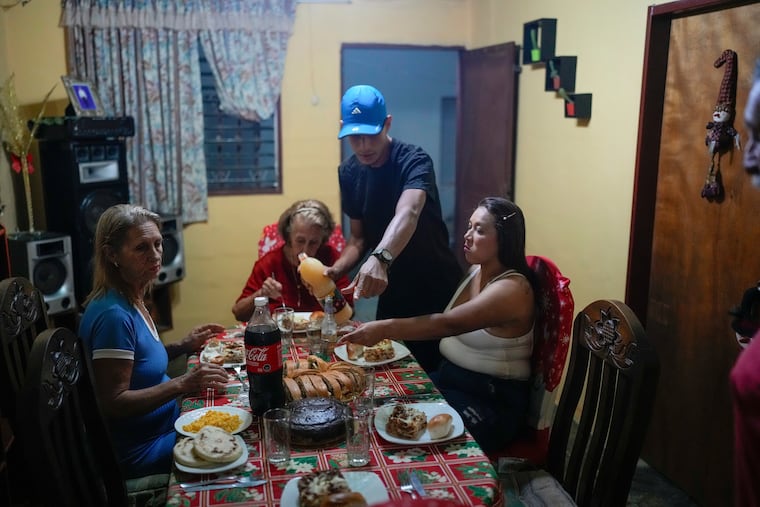
This Christmas season finds Gómez celebrating in northern Venezuela with her partner and children. She adorned her home, prepared meals, and even gifted her son a scooter. Yet beneath the surface of her holiday cheer, she grapples with the persistent obstacles plaguing returnees: unemployment and poverty reverberate throughout her daily life.
The celebratory meal she shared with her family was a far cry from traditional Venezuelan fare, as they settled for a simple lasagna-like dish. The preparation of the customary Christmas dish, hallacas, remains financially out of reach due to the economic strain following their unemployment.
Gómez and her family journeyed back to Maracay on October 27 after their apprehension at the U.S.-Mexico border, amidst Trump’s stringent immigration policies. Deported to Mexico, they undertook a treacherous voyage back to Venezuela, enduring the challenges of travel through Central America. Lacking the financial means for a more conventional route, they resorted to navigating the dangerous waters of the Pacific, ultimately reaching Colombia before making the final leg of their journey home.
Her return aligns with a broader trend: over 7.7 million Venezuelans have fled their homeland due to economic collapse driven by plummeting oil prices, rampant corruption, and severe mismanagement. This exodus has intensified in recent times, particularly as the Biden administration’s immigration reforms clashed with Trump’s ongoing policies. According to reports, more than 14,000 migrants, mainly Venezuelan, have returned to South America this year, indicating a significant reversal from previous immigration patterns.
Flight operations facilitating the return of deported Venezuelans have surged, with over 13,000 individuals repatriated on chartered flights. Furthermore, the Venezuelan government has changed its longstanding position and is now accepting deportees from the United States.
Gómez’s return has also allowed her to reconnect with her now 20-year-old daughter, highlighting the complex ramifications of migration. As her daughter prepares to leave for Brazil in search of better opportunities, Gómez clings to hopes for a more prosperous future. Plans to prepare hallacas for New Year’s Eve loom, alongside a yearning for stable employment. Above all, her aspirations center on health and family unity as they navigate the uncertain future that lies ahead, underscoring the resilience of those enduring the economic hardships of Venezuela.
Media News Source reports that Gómez’s story is emblematic of the struggles many face in regions grappling with economic turmoil.