Venezuelan lawmakers approve measures to reduce state control over oil, moving away from previous socialist policies.
In a significant policy shift, Venezuela’s acting President Delcy Rodríguez has enacted a law that facilitates the privatization of the oil sector, marking a departure from decades of socialist governance. This pivotal decision comes after the National Assembly endorsed an overhaul of the country’s energy legislation, further highlighting the government’s intent to reshape the country’s economic landscape.
The legislative changes were approved just weeks following a controversial incident involving the capture of President Nicolás Maduro in a U.S. military operation. As the reform bill was being passed, the U.S. Treasury Department simultaneously initiated the easing of sanctions that had previously hampered Venezuela’s oil production capabilities. The revised policy opens the door for U.S. energy firms to engage with the beleaguered oil industry, while explicitly excluding entities from nations such as China, Russia, Iran, North Korea, and Cuba from these transactions.
The government anticipates that these changes will provide assurances necessary to attract foreign investment, especially from major U.S. oil companies that have remained hesitant since Venezuela’s state-led policies were firmly established over two decades ago under the leadership of the late Hugo Chávez. These previous regulations mandated a strong state presence in the oil industry, consolidating control in Petróleos de Venezuela SA (PDVSA), which has seen a significant decline in production and efficiency over the years.
The newly passed law will enable private entities to oversee oil production and sales while allowing for independent arbitration to resolve disputes—an aspect viewed as crucial for fostering a more investor-friendly environment. Additionally, the law modifies taxation structures, offering a more favorable royalty cap and granting executive authority to tailor tax percentages based on various project factors.
Despite the ambitious nature of these reforms, opposition lawmakers have underscored the need for transparency and accountability, urging the inclusion of provisions to expose financial dealings within the oil sector. Ensuring robust oversight could be vital in addressing the corruption that pandemic the oil industry historically and may persuade foreign investors to recommit to Venezuela.
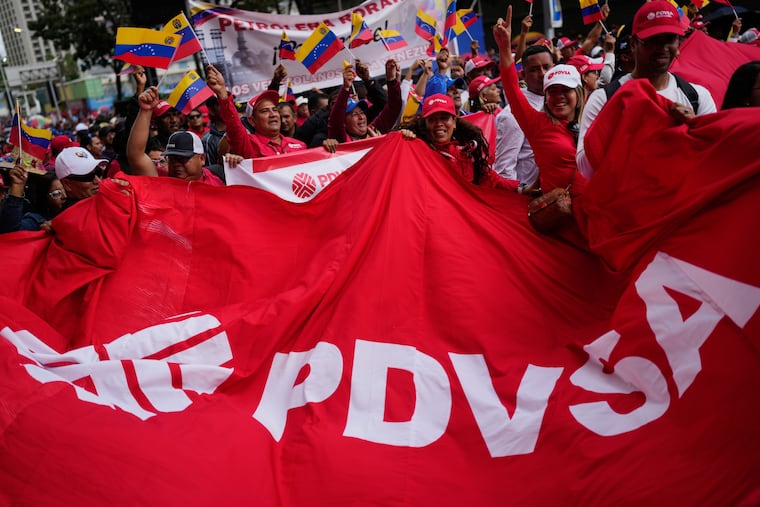
Support for the reforms appears to resonate in certain segments of the workforce, as oil industry workers expressed enthusiastic support during demonstrations at the legislative palace. The recent shifts in policy aim to rejuvenate an economy that has been in decline, plagued by mismanagement and external sanctions since the decline of global oil prices.
As Venezuela stands at a crossroads, the implications of this legislative overhaul may represent a profound transformation in its economic structure, with the potential to significantly affect its nearly 7 million displaced citizens and reshape its international relations.