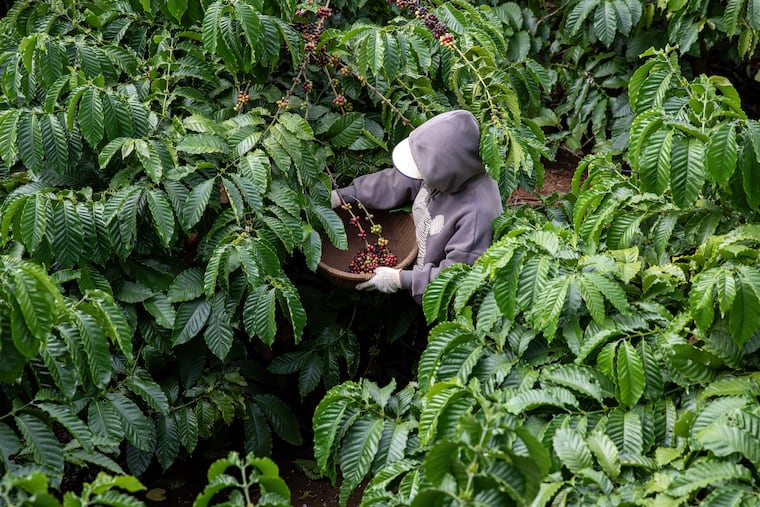
Vietnam’s record coffee harvest could alleviate global supply shortages.
Vietnam is poised to achieve its largest coffee harvest in four years, largely due to favorable rainfall conditions. This anticipated increase in output could significantly alleviate the current supply constraints in the global coffee market, subsequently exerting downward pressure on coffee prices.
According to a median estimate derived from a survey of seven traders, producers, exporters, and analysts, Vietnam is expected to produce approximately 1.76 million tons of coffee during the 2025-26 season. This figure represents a 6% increase from the previous year’s harvest and translates to about 29.4 million 60-kilogram bags of coffee. The chairman of the Buon Ma Thuot Coffee Association, located in Vietnam’s primary coffee-growing region of Dak Lak, noted the healthy condition of the coffee trees and reported that the harvest is scheduled to commence next month. The beneficial weather patterns witnessed throughout the growing period have contributed to this robust outlook.
As the world’s largest producer of robusta coffee—often utilized in instant coffee and espresso—Vietnam’s increased output may help address the global shortages that have followed less than ideal production seasons in prior years. In the previous month, coffee prices surged by an alarming 42%, intensifying market concerns.
Recent volatility in coffee futures has continued, highlighted by fluctuations in arabica prices in New York, driven by fears surrounding Brazilian supply shortages, U.S. tariffs, and subsequent profit-taking. The robusta market experienced similar trends, with prices climbing sharply before ultimately retracting.
Market analysts suggest that while concerns shift toward potential arabica shortages, the rising availability of robusta from Vietnam and Brazil provides roasters with a cost-effective alternative. There is also a noticeable trend of increasing demand for robusta blends this year, as consumers adapt to market realities.
A robust harvest of 29.4 million bags this season would mark Vietnam’s largest output since the 2021-22 season. The U.S. Department of Agriculture anticipates a production figure of around 31 million bags for 2025-26, with surveyed estimates spanning from 1.62 million tons to 1.9 million tons, which equates to approximately 27 million to 32 million bags.
Investment in crop management by Vietnamese farmers has risen, partially motivated by higher market prices. Many farmers are currently completing final rounds of fertilization ahead of the harvest, with some even converting land previously dedicated to durian cultivation to coffee production. One Dak Lak-based producer anticipates a remarkable 30% increase in output compared to the previous year.
Despite the encouraging forecasts, weather conditions in the coming weeks remain critical. Excessive rainfall during the harvest can disrupt drying processes, delay shipments, and compromise bean quality. Additionally, rising domestic consumption—projected to increase approximately 22% to 4.9 million bags in the 2025-26 season—may limit export opportunities. Global stockpiles are still tight, which suggests that coffee prices may remain elevated in the near term. This evolving landscape indicates a nuanced response from both farmers and suppliers as they navigate the complexities of the coffee market.