Villanova students cope with trauma as school aims for normalcy following active shooter hoax incident.
A recent false alarm of an active shooter at Villanova University has left the campus community in a state of shock and concern as officials work to restore normalcy. The incident occurred during freshman orientation, prompting immediate reactions from students, faculty, and parents who scrambled for safety after reports emerged around 4:30 p.m. on a Thursday. Individuals attending an orientation Mass in the vicinity found themselves grappling with fear and uncertainty for approximately 90 minutes while police conducted an extensive search for a potential suspect.
Authorities later clarified that the alarm was the result of a “swatting” incident, where a fictitious emergency was reported. Villanova’s president, Rev. Peter M. Donohue, characterized the incident as a “cruel hoax” and emphasized the ongoing investigation. As the university community attempted to process the emotional fallout from the event, campus officials were determined to provide support as classes returned on Monday.
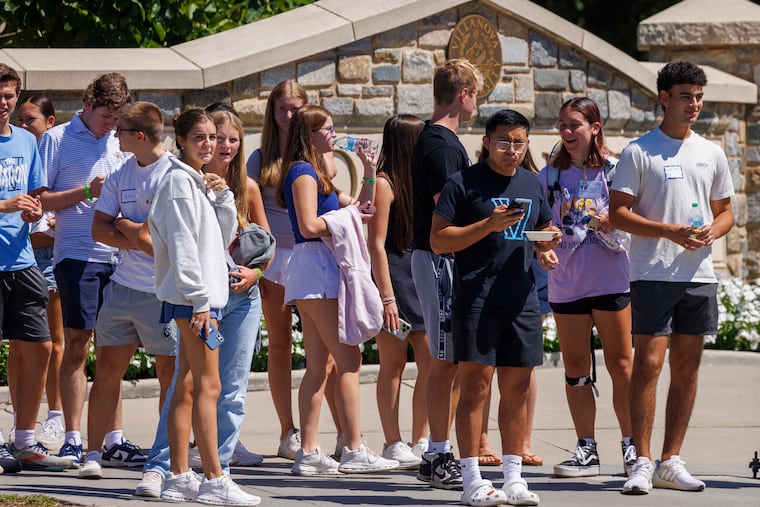
On the day following the hoax, students in purple T-shirts guided incoming freshmen across Lancaster Avenue, with uniformed police stationed at key locations across the campus to ensure safety. Faculty members, like Michael Moreland, a professor of law and religion at Villanova, expressed the urgency to restore a sense of normalcy amidst the lingering anxiety among students and staff.
Although no physical injuries were reported, the emotional impact of the situation resonated deeply within the community. Moreland recounted congregating in a classroom with family members, communicating via text as they sought refuge from the chaos unfolding outside. The sensory overload of the frantic scene outside, including the sound of helicopters and the presence of armed police, served as a jarring reminder of the fears associated with such emergencies.
Bridget Sullivan, a new production manager in the university’s theater department, shared her own tumultuous experience during the alert. The range of emotions she felt, from relief to disenchantment over the violation of trust, reflects a broader sentiment among students and employees still grappling with feelings of fear, anxiety, and confusion.
Psychology experts anticipate that the psychological effects of this incident may linger, potentially manifesting in a variety of stress responses. Philip Izzo, a medical director for Main Line Health, noted that reactions to such traumatic events can include anxiety, anger, and insomnia. Providing mental health resources and supportive environments is essential for managing these complex emotions.
As Villanova and other universities confront the worrisome trend of swatting incidents—actions that can have severe consequences—efforts to improve communication and safety protocols are critical. Previous incidents, such as a similar false report at St. Joseph’s University earlier this year, highlight the pressing need for effective emergency response strategies and community support systems.
As the campus prepares for the semester ahead, the echoes of the recent hoax remain a poignant reminder of the heightened sensitivities surrounding safety in educational environments. Surrounded by a culture of vigilance and care, Villanova University seeks to rebuild a sense of security in the academic community that has been shaken yet remains resilient.
Students, such as sophomore Campbell McKinnon and senior Jose Miselem, illustrate the urgent need for healing and the importance of mental wellbeing in moving forward. While the threat was unfounded, the emotional turmoil experienced by the community is a stark reminder of the lasting effects such incidents can have on individuals and institutions alike. The road to recovery will require compassion, understanding, and ongoing dialogue to nurture the community’s resilience in the face of fear and uncertainty.
Media News Source