
Wage garnishment for individuals with defaulted student loans will begin again early next year.
The U.S. Department of Education has announced plans to resume wage garnishments for individuals who are in default on their federal student loans, with the first notifications expected to be sent out during the week of January 7. This decision marks a significant shift in policy, as it represents the first wave of such garnishments since the onset of the COVID-19 pandemic, during which time many borrowers were protected from aggressive collection practices.
The Department of Education stated that approximately 1,000 borrowers will be informed in January if garnishment of their wages is necessary to settle overdue debts. Following this initial notification period, officials plan to gradually reach out to larger groups of borrowers each subsequent month. As of June 30, the latest available data indicated that around 5.3 million borrowers had not made a payment on their federal student loans for at least 360 days, many having fallen into default prior to the temporary suspension of loan collections that was implemented nearly six years ago due to the pandemic.
In May of this year, the administration had already begun reclaiming past-due student loan debts by seizing tax refunds and Social Security benefits and had signaled that wage garnishments would resume in the summer. However, pressing logistical challenges, including a prolonged government shutdown, delayed these actions beyond the initial timeline.
Wage garnishment involves a comprehensive process, including the identification of a borrower’s employer, who is responsible for withholding the appropriate amount from the employee’s paycheck. By law, the Department of Education must notify borrowers at least 30 days in advance of any garnishment action, allowing them time to request a hearing to dispute the garnishment or to negotiate alternative repayment arrangements.
Under the garnishment rule, the Department can withhold up to 15% of a borrower’s disposable income until the debt is settled or the borrower manages to exit default status. Recent analysis from the Urban Institute revealed that approximately 6 million individuals were at least 60 days late on their student loan payments as of August, a trend attributed to the termination of a 12-month grace period designed to ease borrowers back into repayment after a more than three-year pause related to the pandemic.
The cessation of protections for borrowers follows a series of moratoriums on the collection of defaulted student loans that were initiated during the Trump administration and extended by President Biden’s administration in response to the pandemic. Borrowers had previously been afforded hope of potential loan forgiveness through various initiatives; however, many remain in default.
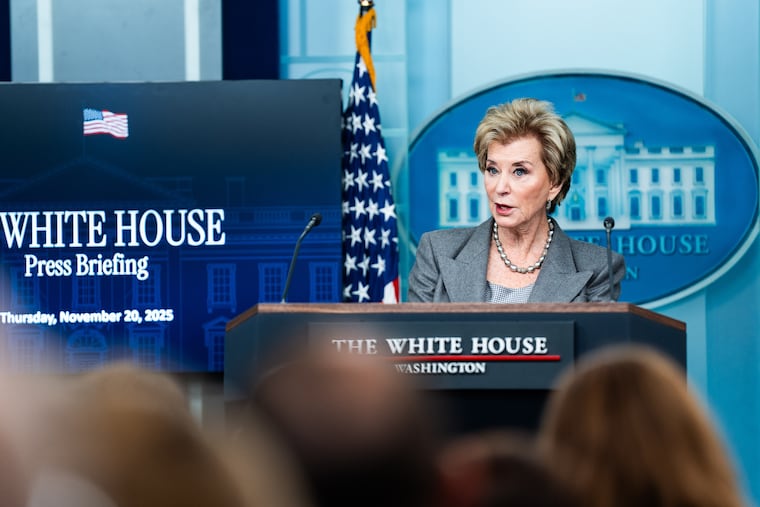
Education Secretary Linda McMahon has criticized Biden’s policies, suggesting they misled borrowers about the potential for debt cancellation. She emphasized the need for a structured return to repayment to safeguard both personal financial health and the broader economic outlook of the country. As the Department prepares to enforce these wage garnishments, the financial futures of millions of borrowers hang in the balance.
This renewed focus on collecting overdue debts underscores a broader shift in the government’s approach to student loan management, emphasizing responsibility and repayment over previous policies that provided leniency during unprecedented times. As borrowers gear up for the impending changes, it remains to be seen how this will impact their financial well-being and future obligations.


