Washington National Opera will relocate from the Kennedy Center to a new venue.
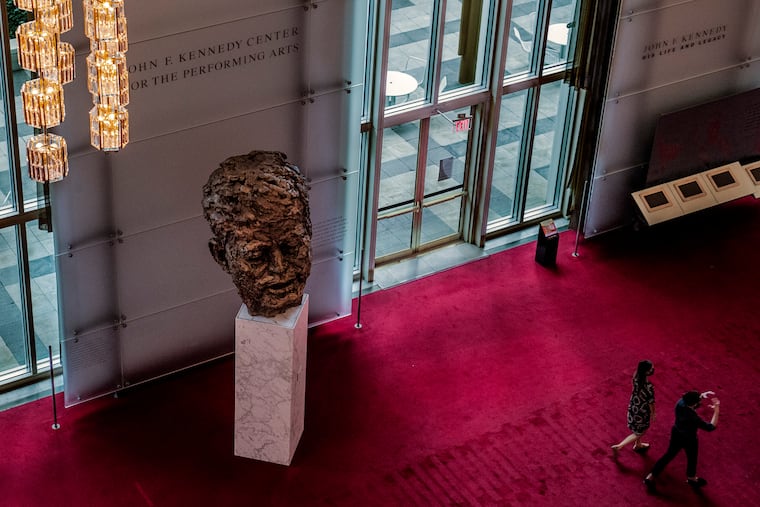
The Washington National Opera (WNO) has announced its decision to sever ties with the John F. Kennedy Center for the Performing Arts, signaling a significant shift for the nearly 70-year-old organization. This development follows a notable decline in ticket sales, a trend that has been exacerbated by the recent changes within the Kennedy Center’s leadership and management structure.
In a formal statement, the WNO expressed intentions to pursue an “amicable early termination” of its affiliation agreement with the Kennedy Center and to begin operations as an independent nonprofit entity. The decision comes amidst concerns regarding financial viability and artistic integrity, as well as operational changes at the Kennedy Center, which have required productions to be fully funded in advance. The WNO has indicated that this new funding model is at odds with the traditional operational frameworks of many opera companies, which typically cover only a portion of their costs through ticket sales.
The Kennedy Center’s management has also issued a statement confirming the end of this collaborative relationship. It highlighted the “financially challenging” nature of the partnership, asserting that this decision represents a necessary step toward ensuring the long-term sustainability of both organizations.
Insiders have noted that the decision to depart was largely driven by the WNO, although it was made with considerable regret. Concerns had been mounting since the Kennedy Center’s board underwent a leadership change earlier this year, most notably when prominent figure David M. Rubenstein was replaced and the center was rechristened as the Trump Kennedy Center. This name change has stirred controversy and sparked debates regarding the center’s preservation of its historical mission as a national tribute to President John F. Kennedy.
WNO’s management has communicated that the need for a fresh start is rooted in dwindling attendance, reduced donor contributions, and a growing reluctance among artists to perform under the new management. Preliminary data indicates that ticket sales have decreased significantly since the earlier months of this year—reportedly down by 15% year-over-year.
As the WNO embarks on this new chapter, it has announced plans to reduce its spring season and explore alternative venues for performances, promising to disclose further details in the coming weeks. The looming transition reflects a broader cultural shift within the performing arts landscape and highlights ongoing challenges faced by arts institutions navigating political and social changes. As they redefine their mission, the Washington National Opera aims to maintain its commitment to a diverse audience, blending popular operatic offerings with lesser-known works.
This situation underscores the complexities facing cultural organizations amid changing political climates and their evolving relationships with institutional partners. As the WNO pivots toward independence, it remains to be seen how both it and the Kennedy Center will adapt to their new realities in the performing arts arena.