Wealth of the world’s richest 1% has grown by .9 trillion since 2015.
Recent findings from the global anti-poverty organization Oxfam International reveal that over the past decade, the world’s wealthiest 1% have accrued an astonishing .9 trillion, raising significant concerns about economic disparity and its implications for society. This wealth accumulation is deemed sufficient to eradicate global poverty 22 times, given the World Bank’s high poverty threshold of .30 per day.
The report, released in advance of an international development financing conference in Spain, highlights that approximately 3,000 billionaires—predominantly male—have collectively increased their wealth by .5 trillion since 2015. This unprecedented concentration of wealth has raised alarms about the potential emergence of oligarchic structures, whereby wealthy individuals exert disproportionate influence over political and economic landscapes, directing decision-making to bolster their own financial interests.
Calls for systemic change are gaining momentum, as highlighted by Oxfam’s assertion that unprecedented wealth consolidation is translating into heightened political power. The organization’s publication, titled “From Private Profit to Public Power: Financing Development, Not Oligarchy,” urges governments worldwide to pursue state-led development and implement more robust taxation policies targeting the ultra-rich.
Amid growing concerns about rising inequality, Oxfam projected that the world could witness its first trillionaire within the next decade if current trends go unaddressed. Influential figures such as Senator Bernie Sanders and President Joe Biden have voiced similar concerns, advocating for reforms to mitigate the influence of wealth on political processes.
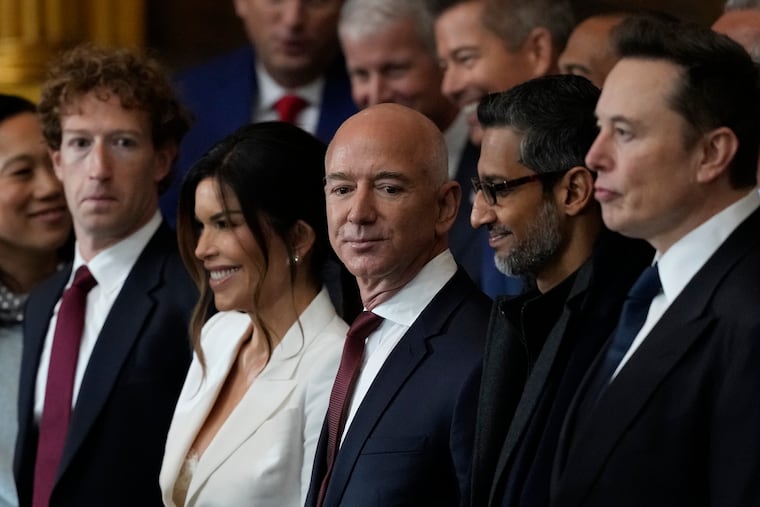
Concurrent public demonstrations have emerged in response to the wedding of Jeff Bezos and Lauren Sánchez in Venice, which some observers regard as emblematic of the excesses associated with the elite. Protesters have made statements underscoring their belief that those who enjoy such luxury lifestyles should contribute more significantly to public coffers.
The Oxfam report underscores the need for a shift in prioritization from private investment to public sector initiatives. It challenges the so-called “Wall Street Consensus” that emphasizes privatization in essential services, calling instead for a public sector-oriented strategy that involves taxing the wealthiest. Oxfam points to a proposal from economist Gabriel Zucman, introduced at the G20 summit in Brazil, advocating for a minimum 2% tax on the collective wealth of billionaires, which could potentially generate between 0 billion and 0 billion annually.
The discourse surrounding wealth taxation has persisted, with experts weighing in on the implications of severe economic inequality. Chris Evans, a taxation professor, argues for the redistribution of wealth at the top to benefit those at the bottom, positing that it could foster a more equitable and efficient society. Eric Zolt, a taxation law professor, notes the challenges inherent in implementing wealth taxes, emphasizing that while the idea is appealing, countries may struggle to enforce these policies effectively.
As global discussions on wealth disparity continue, the intersection of economic policy and social justice remains a critical focal point in addressing the challenges posed by inequality in the modern world. The ongoing debates highlight the urgent need for actionable solutions to bridge the widening economic divide.
Media News Source.