White House responds to Josh Shapiro’s critique of National Guard deployments.
In a recent political confrontation, the White House criticized Pennsylvania Governor Josh Shapiro for his rejection of President Donald Trump’s proposed deployment of National Guard troops to American cities. This exchange highlights the ongoing tension surrounding law enforcement measures in response to violent crime, particularly in urban areas.
The White House spokesperson, Abigail Jackson, characterized Shapiro’s opposition as an attempt to gain media attention amid his presidential aspirations. Jackson contended that the operations initiated by Trump have effectively addressed violent crime in various cities. She voiced skepticism regarding Shapiro’s ability to mislead the electorate, emphasizing Trump’s election on a law-and-order platform.
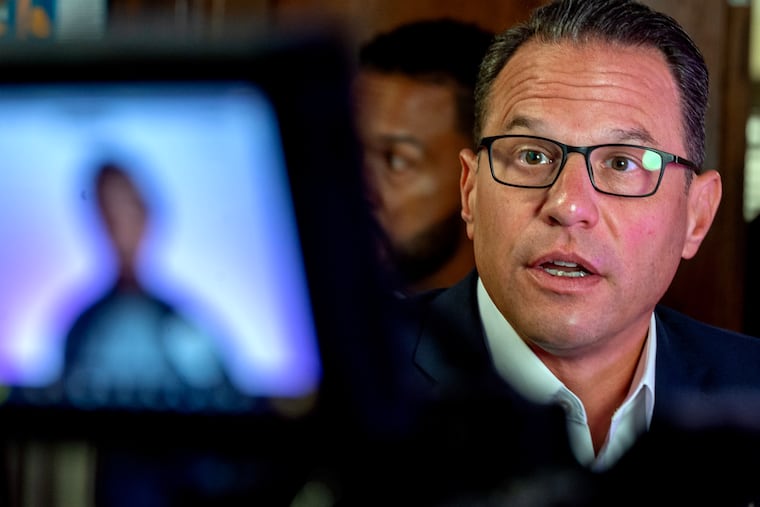
At a press event in Philadelphia, Shapiro asserted that the deployment of troops is “wrongheaded” and expressed his readiness to oppose such actions in his state if they were to occur. Although Trump has not directly threatened to send the National Guard to Philadelphia as he has in cities like Baltimore and Chicago, Shapiro indicated that he is prepared for that possibility. This preparation aligns with Shapiro’s previous declarations of his intent to confront Trump should he attempt to deploy troops to Pennsylvania, particularly following Trump’s controversial deployment of National Guard troops to Los Angeles.
Legal challenges have already emerged in this context. A California judge ruled that Trump’s deployment of the National Guard there was unlawful, citing Governor Gavin Newsom’s objections. This development suggests potential complications for Trump should he pursue similar actions in other states, such as Pennsylvania.
Democratic leaders, including Shapiro, have voiced concerns regarding the constitutionality and necessity of such federal interventions. Shapiro pointed out that recent declines in violent crime in Philadelphia can be attributed to state investments in community organizations and policing efforts. He emphasized that interrupting these initiatives with militarized enforcement from the federal government would be counterproductive.
Moreover, Mayor Muriel Bowser of Washington, D.C., has provided mixed responses regarding Trump’s actions, acknowledging their effectiveness in reducing crime while raising concerns about infringements on the district’s autonomy. The D.C. Attorney General has even initiated legal action against the Trump administration, arguing that the use of the National Guard for domestic law enforcement undermines the city’s sovereignty.
In response to ongoing criticisms of Trump’s law enforcement strategies, Philadelphia District Attorney Larry Krasner condemned the initiative to send troops into Democratic-led cities and encouraged residents to document the presence of any federal troops, reinforcing a stance that emphasizes local control over law enforcement.
As tensions mount, Shapiro’s office has remained silent on Jackson’s remarks but has continued to assert his commitment to protecting Pennsylvania’s autonomy and civil liberties against federal encroachment. This exchange underscores the broader national conversation regarding the balance of state and federal powers in addressing crime and public safety.
Media News Source