Workplace rights agency head encourages white men to report instances of discrimination.
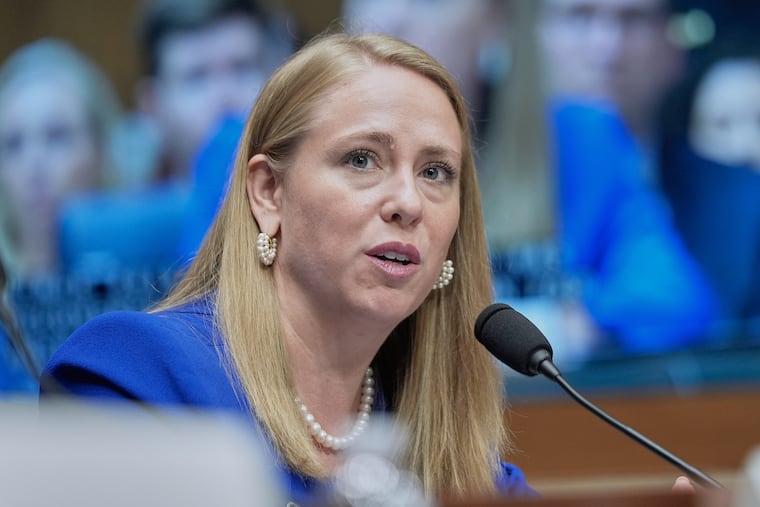
The chair of the U.S. Equal Employment Opportunity Commission (EEOC), Andrea Lucas, recently made headlines with a call on social media encouraging white men to report experiences of racial or gender discrimination in the workplace. This initiative aligns with Lucas’ leadership shift at the agency, emphasizing a focus on addressing discrimination she believes has primarily harmed this demographic.
In a video posted on X, formerly known as Twitter, Lucas encouraged eligible individuals to reach out to the EEOC, suggesting that they might have legal claims under federal civil rights laws. She highlighted the importance of confronting what she described as “systemic, unlawful discrimination,” which she claims has been largely ignored by elites.
Lucas’s remarks come on the heels of Vice President JD Vance’s social media engagement on a similar topic, which framed diversity, equity, and inclusion (DEI) initiatives in a negative light. This alignment appears to signify a growing political narrative surrounding workplace treatment, particularly aimed at white males. In response to Vance’s comments, Lucas reaffirmed her stance that such discrimination, as alleged, is intolerable and must be eradicated.
Since taking over as acting chair of the EEOC in January, Lucas has strategically shifted the agency’s focus towards examining DEI practices that she argues may lead to discrimination under laws such as Title VII of the Civil Rights Act of 1964. This regulatory focus has included the issuance of technical assistance documents this year that provide guidelines on what constitutes DEI-related discrimination.
Critics of Lucas’s approach, including former EEOC officials, have expressed concern that the agency is framing DEI practices unfavorably, suggesting these initiatives support a culture that is inclusive and equitable for all employees. David Glasgow, executive director of the Meltzer Center for Diversity, Inclusion, and Belonging at NYU School of Law, emphasized that rather than damaging opportunities for white men, DEI efforts are intended to foster fairness for everyone, including all demographic groups.
Moreover, Jenny Yang, a former EEOC chair, described Lucas’s focus on a particular demographic as potentially problematic. Yang contends that such an emphasis could imply preferential treatment and distract from the agency’s broader mission of ensuring equal opportunity across the board.
As the EEOC navigates these challenging discussions, the agency’s efforts to prioritize charges based on employee identities may reflect a contentious balancing act. Advocates for equitable treatment express concern that setting priorities based on specific groups could lead to perceptions of inequity in enforcement practices. Both advocates and critics underscore the complexity of these issues, suggesting they warrant careful consideration as the agency moves forward.