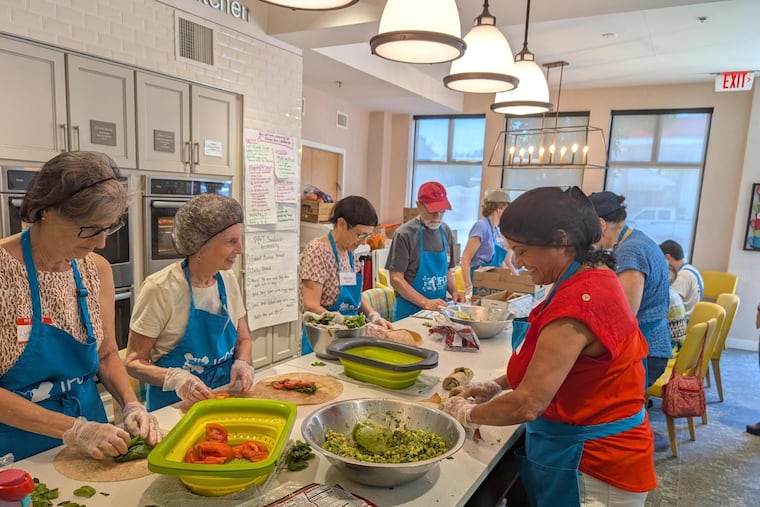
Wynnewood residents create a village initiative to support aging in place for older adults in Lower Merion.
As society evolves, the desire for older adults to age in place—remaining in their homes and communities as they grow older—becomes increasingly pronounced. A recent survey conducted by AARP reveals a significant trend: 75% of individuals aged 50 and above express a desire to stay in their homes, while 73% wish to remain within their familiar communities. However, barriers such as economic limitations and logistical challenges complicate this aspiration. The isolation often experienced in single-family homes, particularly in suburban areas, can be daunting for those unable to drive, while the high costs associated with retirement communities can make such transitions unfeasible.
In response to these challenges, residents of Lower Merion, Pennsylvania, are establishing the Lower Merion Village, which is affiliated with the nationwide Village to Village Network. This initiative aims to reshape the aging experience by providing older adults with access to essential services, including transportation, social activities, and household assistance, all while allowing them to remain in their beloved neighborhoods.
Bonnie Asher, a member of the organization’s program committee, was inspired to engage with the village model after witnessing its positive impact on her mother, who lived independently until the age of 99. This interaction fostered social connections and ensured her mother received necessary assistance, thus enriching her quality of life.
The Village to Village Network is a nationally recognized nonprofit founded in Boston, with branches spanning from Alaska to New York. Local chapters operate on a membership basis, often run by dedicated volunteers, and may include a limited paid staff to ensure sustainability.
In total, there are five existing villages within the Philadelphia region, signifying a growing movement towards community-based support systems for seniors. The concept of the Lower Merion Village began taking shape in 2023 during neighborhood conversations, evolving into organized monthly meetings to address the needs of the community.
Sara Crimm, a key figure in this initiative and the founder of Families CCAN, recognizes the village’s potential not only for older adults but also for individuals with disabilities. With a grant of around ,000 from the American Rescue Plan, the organization is building a foundation to offer various social events, educational lectures, and communal activities, fostering camaraderie among the members.
Lower Merion Village, still in its formative stages, plans to establish a formal nonprofit structure and implement membership fees projected at 5 per individual and 0 per household annually. These fees are designed to provide membership benefits, which include access to programs and volunteer assistance for tasks like transportation and technology support.
Transportation remains a critical issue for older adults in the area. Although public transit options like SEPTA are available, navigating the township can be challenging. Comparatively, membership costs for this village are considerably lower than those of neighboring villages and assisted living facilities, making it an attractive alternative for older residents.
As the Lower Merion Village continues to develop, its leaders aspire to dismantle misconceived notions surrounding aging, emphasizing the value and contributions of older adults to their communities. By creating a supportive infrastructure, they aim to empower residents to thrive in their neighborhoods, enriching the collective experience of community life. Those interested in becoming involved with the Lower Merion Village can reach out via email for more information.