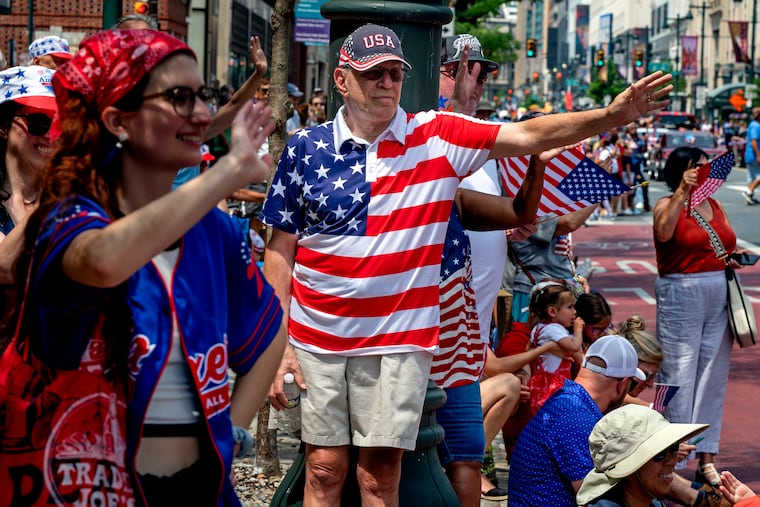
Zohran Mamdani brings excitement back to politics in New York City.
In contemporary politics, the experience for journalists often topples into a disheartening cycle, overshadowed by negativity and division. The landscape has shifted dramatically, evolving from an intriguing arena of ideas, debates, and personalities into a highly charged environment characterized by hostility and aggression. News organizations and political figures alike contribute to this climate, wherein threats and intimidation have become all too commonplace. The discourse frequently escalates into a battleground, trading civility for outrage. Within this context, the political engagement for voters has transformed significantly, now demanding a combative stance rather than allowing for a more measured, informative approach.
This ongoing turmoil has raised concerns regarding the sustainability of such heightened tensions, both for individuals and society as a whole. The constant state of conflict is detrimental, leading many to feel overwhelmed and mentally exhausted. For those following political news, the emotional toll can be substantial, especially as excessive anger seems to become a directive for engagement.
Amidst the pervasive gloom, a refreshing development has emerged in New York City’s political context. Recently, the mayoral race has garnered attention for its peculiar vibrancy, particularly through the candidacy of 33-year-old Zohran Mamdani, a democratic socialist who unexpectedly secured the Democratic nomination. His campaign presents a stark contrast to the prevailing negativity seen across the political spectrum, showcasing a glimmer of optimism and hope.
Mamdani’s approach to politics is noted for its charm and sincerity, qualities that resonate with constituents seeking a reprieve from the prevailing narratives of despair. His authenticity has attracted a diverse group of supporters, young and old alike, who express excitement about the prospect of change. Voters, such as Rijkaard Alexis, a recent Haitian immigrant and first-time voter, have articulated a renewed sense of hope akin to the sentiments felt during the early days of Barack Obama’s presidential campaign. This connection underscores a desire for a more hopeful and inspirational political discourse.
In stark opposition to Mamdani’s emerging positivity, the campaigns of former Governor Andrew Cuomo and incumbent Mayor Eric Adams struggle to break free from the burdens of scandal and controversy. The contrast is palpable as Mamdani transcends the current political malaise, offering a vision for the future that resonates with many urban residents. His ability to inspire is reminiscent of past political figures who evoked a sense of optimism and forward momentum, suggesting a potential shift in the political atmosphere.
As the election cycle progresses, the implications of Mamdani’s candidacy extend beyond mere locale; they reflect a broader national yearning for a return to constructive political dialogue, free from the pervasive anger and resentment that have come to define contemporary governance. This stirring development symbolizes not just a political campaign, but a collective yearning for hopeful leadership amid challenging times.
Media News Source.