Philadelphia’s Historic Preservation Regulations Under Review for Stringency
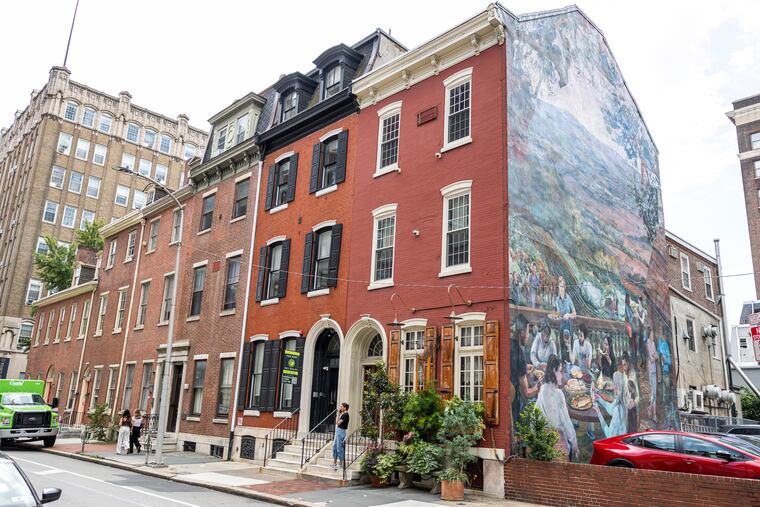
In recent months, Philadelphia has witnessed a heated debate surrounding the designation of historic districts, particularly in Washington Square West, a neighborhood that has seen significant community engagement and controversy. Residents like Jonathan Hessney, who settled in the area in 2021, have become increasingly vocal about their concerns regarding the implications of such designations on property rights and neighborhood development.
Last September, the Washington Square West historic district was officially approved, with strong backing from local preservationists and neighborhood civic groups. However, the announcement was met with an outcry from residents who were blindsided by new regulations that could severely impact how they manage their properties. For instance, alterations to exteriors, including the installation of doors, windows, or solar panels, would now require approval from the Historical Commission. Residents have expressed frustration, noting that the process could lead to increased costs and regulatory burdens that favor wealthy property owners who can afford specialized consultants and architects.
Despite the local civic association’s support, the designation has drawn criticism. Over 133 voices were raised in opposition to the designation, with only 23 supporting it. Critics argue that their concerns were overlooked, leading to legal challenges in court and funding campaigns, such as the ,000 raised by Hessney and fellow opponents to support their case. This marks a significant uptick in legal challenges against Philadelphia’s preservation efforts, which some see as an overreach.
Proponents of historic preservation see the designation as a necessary step to combat the surge in demolition and development that has characterized Philadelphia’s recent growth. They argue that protecting entire neighborhoods offers broader benefits than isolated efforts aimed at individual buildings. Nonetheless, preservationists face mounting backlash from both homeowners concerned about added costs and developers who feel their projects are impeded by stringent regulations.
Throughout this controversy, critics have pointed to other cities that have effectively balanced preservation with housing needs. They suggest that Philadelphia could benefit from a tiered classification system that differentiates levels of preservation oversight, allowing for more flexibility in less historically significant areas while maintaining strong protections for truly vital structures.
As City Council considers potential policy changes that could alleviate these burdens, including granting incentives to lower-income homeowners, the debate remains ongoing. With the appeals from the most recent designations expected to be heard in court, the city is at a crossroads. Stakeholders on both sides are advocating for solutions that address the complexities of historic preservation while ensuring that Philadelphia’s growth does not come at the expense of its storied past.
Media News Source