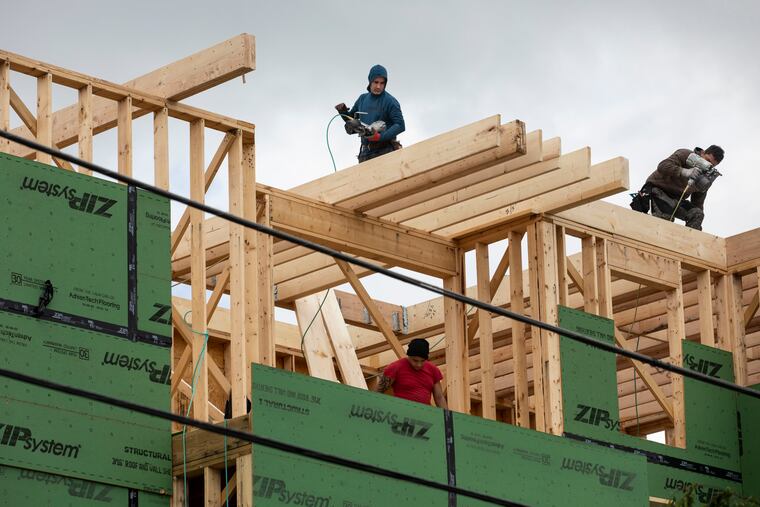
New homes in Pennsylvania now cost more than twice as much as existing homes.
Purchasing a newly constructed home in Pennsylvania has become a significant financial undertaking, with costs substantially exceeding those of existing homes. A recent analysis by LendingTree, an online lending marketplace, reveals that Pennsylvania is among the two states in the United States where the price of a new home is more than double that of a typical existing home.
The data indicates that the median value of existing homes in Pennsylvania stands at 7,831, in stark contrast to the median price of newly constructed homes, which is a staggering 9,468. This represents a 121% price increase for new homes compared to their existing counterparts. The disparities in home prices extend nationwide, where the average price difference between new and existing homes is approximately 38%, equating to about 7,000. Connecticut, however, experiences the highest percentage cost difference, with newly built residences costing 126% more than existing properties.
Factors contributing to the elevated prices of new homes include a combination of market demand, limited land availability, a shortage of skilled labor, and regulatory hurdles that complicate and prolong construction processes. A report commissioned by the Pennsylvania Builders Association indicates that regulations at the federal, state, and local levels contribute to roughly 30% of the costs associated with new single-family homes in the state as of 2023.
This scenario creates a challenging landscape for prospective buyers of new homes, facing both diminished supply and inflated prices. While the appeal of acquiring a brand-new home, free of maintenance concerns common with older properties, is strong, it comes at a considerable expense. Industry experts advise potential buyers to carefully consider whether the advantages of a new home justify the premiums involved.
LendingTree’s findings highlight the stark financial realities for Pennsylvania residents seeking to purchase newly constructed homes. Households in the state would require an annual income of approximately 0,643 to afford a median-priced new home, as opposed to the ,131 needed for a median-priced existing home—exceeding a 0,000 income gap. Interestingly, there are six states where median-priced existing homes surpass those of newly constructed ones, including Delaware, where existing homes are priced higher by an average of ,600.
In California, the contrast is even more pronounced, with existing homes costing a median of 3,682 more than new constructions, highlighting regional variations in the housing market landscape across the country. As potential homebuyers navigate these shifting dynamics, understanding the implications of the new home versus existing home price gap is essential for making informed purchasing decisions.
As the housing market continues to evolve, prospective buyers are encouraged to remain vigilant about market trends and financial implications associated with homeownership in their respective regions.
Media News Source