
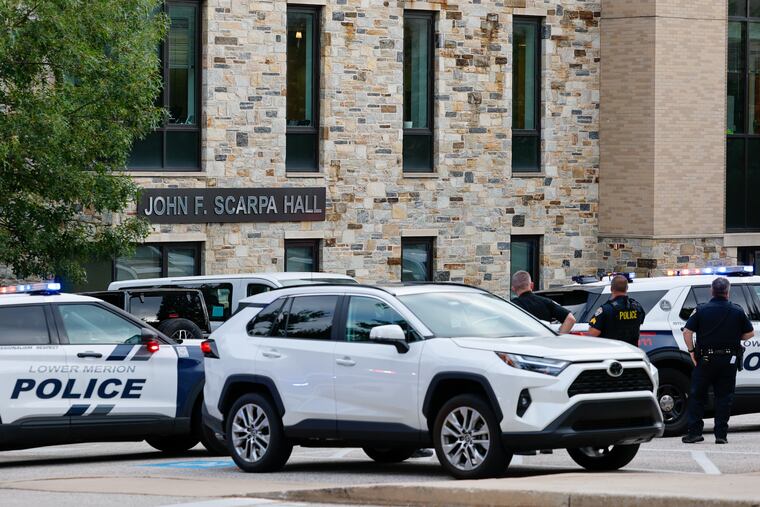
University reports active shooter incident was a hoax.
Active Shooter Hoax at Villanova University Classified as 'Swatting' Incident
In a troubling incident that unfolded at Villanova University, an active shooter hoax was reported, a situation now identified as a “swatting” event. Pennsylvania Governor Josh Shapiro confirmed that the incident involved a false report intended to incite fear and chaos among the university community. Swatting is defined as the act of making a false report to emergency services, leading to a significant deployment of law enforcement resources and creating unnecessary panic.
Governor Shapiro took decisive action following the incident, ordering the Pennsylvania State Police to collaborate with local law enforcement agencies to investigate the source of the hoax. He emphasized the seriousness of the crime, stating that such actions are illegal and promised that all available resources would be utilized to identify and hold accountable those responsible for the threat.
The situation began on Thursday afternoon when the Villanova University Department of Public Safety received an anonymous alert about an active shooter situation on campus. Initial reports suggested an active shooter was located in Scarpa Hall, allegedly armed with an automatic rifle. However, after a thorough investigation and search conducted by campus safety officials, it was determined that the threat was unfounded.
David Tedjeske, the associate vice president of public safety and chief of Villanova’s police department, confirmed that the extensive response was initiated in direct response to the alarming report. This included deploying police units and securing the surrounding area to ensure the safety of students and faculty. Fortunately, no injuries occurred during the false alarm, highlighting the critical importance of prompt and efficient responses to such threats, regardless of their legitimacy.
The rise of swatting incidents has raised concerns among law enforcement agencies and community leaders, who worry about the potential consequences of false reporting. In addition to the significant waste of resources, swatting can also pose severe risks to public safety. Law enforcement officials and university administrators are now appealing to the public for vigilance and responsibility, stressing that malicious reports not only undermine community trust but also divert precious resources from real emergencies.
As investigations continue, authorities remain committed to unraveling the circumstances behind this incident, reflecting a broader commitment to safety and accountability across educational institutions.


