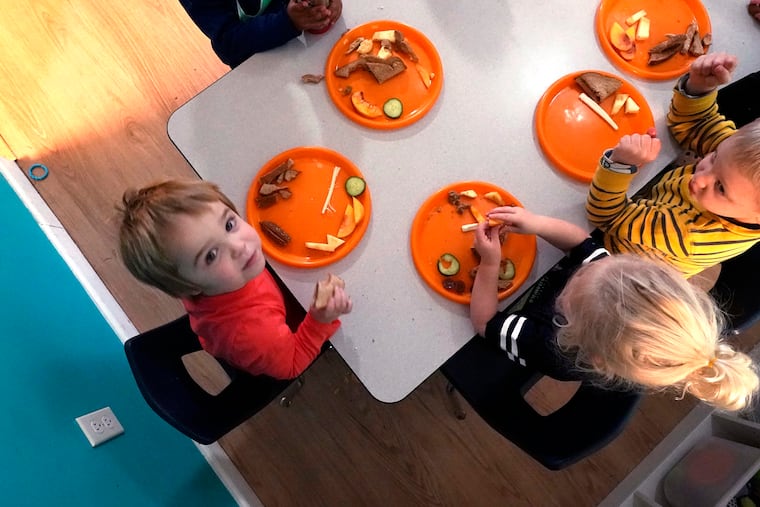
Tips for Packing Nutritious Lunches That Kids Will Enjoy Eating
As the back-to-school season approaches, parents are keenly preparing for the school lunches that will accompany their children during the academic year. Many, like Los Angeles resident Rebecca Zeitlin, are discovering that the dynamics of lunchtime can shift drastically once children transition from small preschool settings to larger kindergarten environments.
Zeitlin notes that her son, who is five years old, displays a marked difference in appetite depending on the context. Meals he would refuse at home—such as peanut butter and jelly sandwiches—are eagerly consumed when presented in a lunchbox paired with fruits, vegetables, and a small treat. This observation reflects a common challenge faced by parents: understanding how the environment influences a child’s willingness to eat.
With the start of kindergarten on the horizon, Zeitlin is thoughtfully considering the lunch options she will pack, moving away from the more controlled and monitored meals of preschool. She aims to stick to familiar favorites such as chicken nuggets or pasta, complemented by seasonal fruits. However, she is also prepared for the possibility that her plans may require adjustments as her son adapts to this new setting.
Navigating school lunches poses challenges for parents of young children, particularly those aged five and under. These parents often feel the pressure of social media influence, where platforms like TikTok and Instagram showcase visually appealing meals in elaborate bento boxes. However, registered dietitians like Anet Piridzhanyan emphasize that the focus should remain on practicality and nutrition rather than aesthetic appeal.
To optimize a child’s school lunch experience, dietary experts recommend simplicity. A primary component, such as a sandwich, complemented by two or three snack items—including fruits or vegetables and a small treat—is ideal. Consistency is crucial; new foods should be paired with items that the child is familiar with. This approach can help alleviate the stress of unfamiliarity amidst the excitement and anxiety of starting school.
With numerous parenting guides available, it is essential for parents to select lunch containers that are functional and user-friendly. A bento box is a preferred choice for many, allowing for compartmentalization of various food items. This organization can make lunchtime more engaging for children, particularly if the container features beloved characters or is easy to open.
Parents are advised to communicate with their children regarding their lunch preferences and to seek insights from teachers if food items consistently return uneaten. Understanding storage conditions at school, such as access to refrigeration, can also play a critical role in determining what foods remain appetizing by lunchtime.
In sum, the key to successful school lunches blends nutrition, familiarity, and practicality. As parents like Zeitlin prepare for this pivotal transition, they must also remain flexible and responsive to their child’s evolving tastes and needs. With these considerations in mind, both parents and children can look forward to a successful and enjoyable lunch experience throughout the school year.
Media News Source