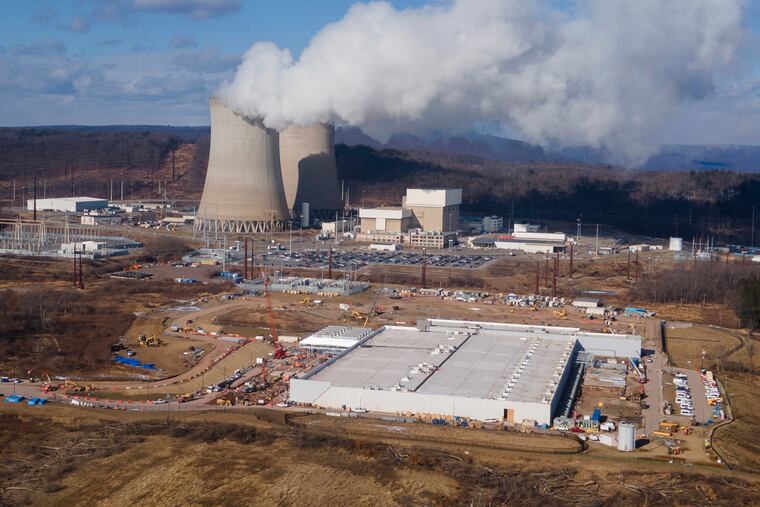
AI Industrial Revolution Underway, Historical Patterns Indicate Potential Negative Impact on Middle-Class Workers.
Job growth in recent months has exhibited a noticeable decline, leading most analysts to attribute this trend to a general economic slowdown. However, emerging perspectives suggest that this explanation may overlook deeper, structural transformations underway in the economy. The softening job market could be an early indicator of a significant shift fueled by the onset of a new industrial revolution, one characterized by advancements in artificial intelligence and robotics.
Understanding the current economic landscape requires a thorough analysis of where the economy stands within its cyclical framework. This information is critical for forecasting future trends and interpreting economic data accurately. Economists often grapple with the possibility of misreading signals, particularly during periods of transition where established norms may no longer apply.
The U.S. economy has historically undergone several industrial revolutions, each marked by technological innovations that fundamentally altered the economic landscape. The first stage, from the late 1700s to the mid-1800s, initiated an agricultural transformation through steam and water-powered machinery that spurred urban migration. This was followed by the second phase, which saw the internal combustion engine and widespread electrical use reshape transportation and manufacturing between the late 1800s and early 1900s. The third industrial phase, spanning from the mid-1980s to the early 2020s, was propelled by the rise of computers and digitization, altering communication and productivity standards.
Historically, industrial revolutions have induced periods of dislocation and economic hardship as labor demands shift dramatically. The transition often results in short-term unemployment spikes, as seen in previous eras. However, each stage eventually led to increased productivity and an elevation in living standards as economies adapted to new realities.
Presently, we are observing the early phases of the fourth industrial revolution, primarily due to advancements in artificial intelligence. As firms increasingly integrate AI into their operations, initial declines in labor demand are anticipated. This transition period has the potential to produce notable job displacements across various sectors, affecting roles ranging from middle management to technical and creative professions.
In light of this paradigm shift, policymakers face the unique challenge of crafting effective responses. Traditional measures, such as gauging economic growth by job creation, may no longer accurately reflect reality. With the rising prominence of AI in the workforce, GDP growth could diverge from job creation trends as the economy undergoes this transition.
Furthermore, the contemporaneous socioeconomic landscape suggests that interest rate reductions may not sufficiently stimulate consumer spending among the middle class, who may be disproportionately impacted by job losses. This highlights the necessity of a nuanced policy approach that acknowledges the structural changes at play rather than viewing the situation merely as a cyclical downturn.
As the economy continues to adapt to these advancements, future job growth is expected to materialize, akin to the recovery patterns witnessed in prior industrial revolutions. However, the pace and scale of this transformation remain uncertain, leaving many questions regarding potential job dislocations and the distribution of wealth in a predominantly AI-driven economy.
In conclusion, the ongoing transition toward an AI economy presents formidable challenges and opportunities. The historical context implies that, while disruptions are likely in the short term, sustained growth and productivity improvements are feasible in the long run. Yet, the trajectory of this transformation threatens to exacerbate existing inequalities, as evidenced by the potential for wealth concentration among the upper echelons of society. The implications for the workforce are profound, marking a decisive moment in the evolution of labor in the modern economy.
Media News Source