New Jersey files two lawsuits against Amazon in three days regarding worker treatment issues.
New Jersey has recently initiated two lawsuits against Amazon within a span of three days, alleging significant violations of labor laws related to the treatment of delivery drivers and discrimination against employees. These actions highlight the state’s ongoing battle to address the misclassification of workers and ensure compliance with employee rights and protections.
The first lawsuit, lodged on Monday, represents New Jersey’s continued efforts to challenge corporate practices that classify delivery drivers as independent contractors rather than employees. This classification is critical as employees are entitled to benefits like minimum wage, overtime pay, earned sick leave, and family leave that independent contractors typically lack. Central to this claim is Amazon’s “Flex” program, which utilizes drivers who deliver packages using their personal vehicles. Court documents reveal that the state began investigating after several Flex drivers sought unemployment and disability benefits for which Amazon reportedly had not paid into. State officials argue that these drivers perform essential functions for Amazon’s operations, fundamentally making them employees.
Attorney General Matthew Platkin commented on the exploitation of workers, asserting that Amazon is enriching its profits by disregarding labor laws and shifting costs to taxpayers, thus undermining the rights of these drivers. This case marks a critical moment in New Jersey, known for its stringent regulations regarding independent contractors, as outgoing Governor Phil Murphy has prioritized addressing worker misclassification during his administration.
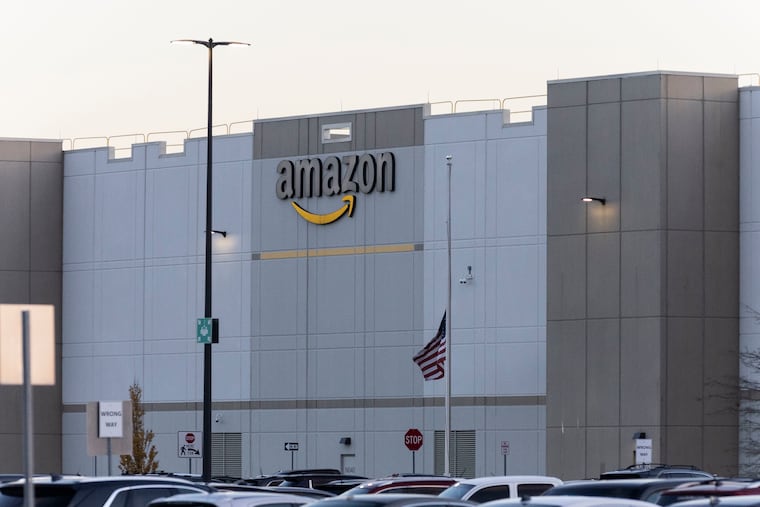
In a separate case filed the following Wednesday, New Jersey officials charged Amazon with discrimination against pregnant workers and employees with disabilities. This lawsuit emerged from a comprehensive investigation that examined working conditions affecting approximately 50,000 employees across multiple Amazon warehouses in New Jersey. The findings indicated that while some requests for accommodations were occasionally granted, employees were unjustly terminated for failing to meet performance metrics afterward.
These lawsuits align with a broader national discourse regarding the classification and treatment of gig economy workers. In a notable precedent, Lyft recently agreed to pay .4 million to the New Jersey Department of Labor and Workforce Development for misclassifying around 100,000 drivers as independent contractors.
Amazon has publicly dismissed the allegations as unfounded and claims that its Flex program offers drivers the flexibility to choose their working hours, asserting that many drivers appreciate this autonomy. However, the legal challenges raised by New Jersey reflect a growing demand for greater accountability and protection for workers in the gig economy. The outcome of these lawsuits could have significant implications not only for Amazon but also for labor standards across the rapidly evolving landscape of employment in the United States.
Media News Source.