SEPTA service disruptions leave Regional Rail riders stranded, causing frustration among passengers.
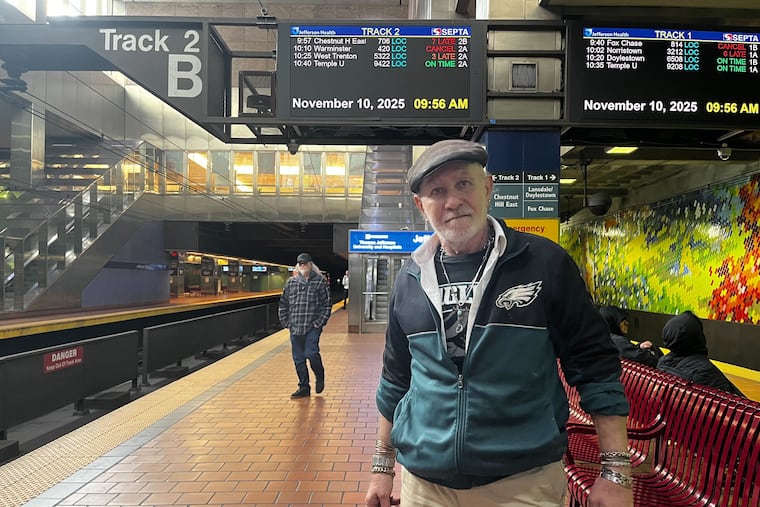
In a challenging start to the week, Philadelphia resident Leroy Biggs, a 75-year-old electrician, faced unexpected disruptions to his daily commute. After a typical breakfast of bacon, eggs, and toast, Biggs arrived at Jefferson Station around 7 a.m., only to find that multiple trains on his route to Warminster had been canceled by the Southeastern Pennsylvania Transportation Authority (SEPTA).
This incident is emblematic of a broader pattern of disruptions affecting Regional Rail commuters, as SEPTA undertakes inspection protocols mandated by the Federal Railroad Administration. These inspections come in response to recent safety concerns, including five train fires this year involving the agency’s Silverliner IV rail cars. During a recent update, it was reported that by Monday morning, 193 of the 223 Silverliner IV rail cars had been inspected, with only 70 returned to service. The ongoing repairs and maintenance have resulted in a significant shortage of operational trains, prompting continued cancellations and delays that are expected to persist into the week.
Biggs’s frustration with the commute reflects a sentiment shared by many riders. As he waited for a reliable train option, the next scheduled service to Warminster was also canceled. Instead, he opted to take the Lansdale/Doylestown line, forcing him to seek alternative transportation arrangements. This situation mirrors the struggles of other commuters, like Anthony Godshall, who faced a similar fate when his train to Warminster was unexpectedly canceled, complicating his plans to care for his daughter.
SEPTA’s challenges have intensified as federal pressure mounts regarding safety management, particularly in light of the recent incidents involving the trolley system, which has also been under scrutiny. Federal officials have called for thorough inspections of the overhead catenary system. Recent failures had resulted in significant service disruptions, including evacuations due to safety hazards.
The agency, currently grappling with a 1 million annual deficit, has already implemented service cuts earlier this year after proposals for increased funding were opposed. While a temporary measure has been approved allowing SEPTA to utilize 4 million in state funds for operational costs, the long-term funding concerns remain unresolved.
As SEPTA continues its repair and inspection efforts, riders are increasingly left in the dark regarding train availability and service reliability. Amid this turmoil, SEPTA officials are urging customers to remain patient as they work to restore regular service levels. They emphasize their commitment to addressing safety issues comprehensively, while also acknowledging the frustrations experienced by daily commuters.
The escalating delays and cancellations highlight the urgent need for a more stable and well-managed public transit system in Philadelphia, prompting ongoing discussions about the agency’s operational funding and management practices.