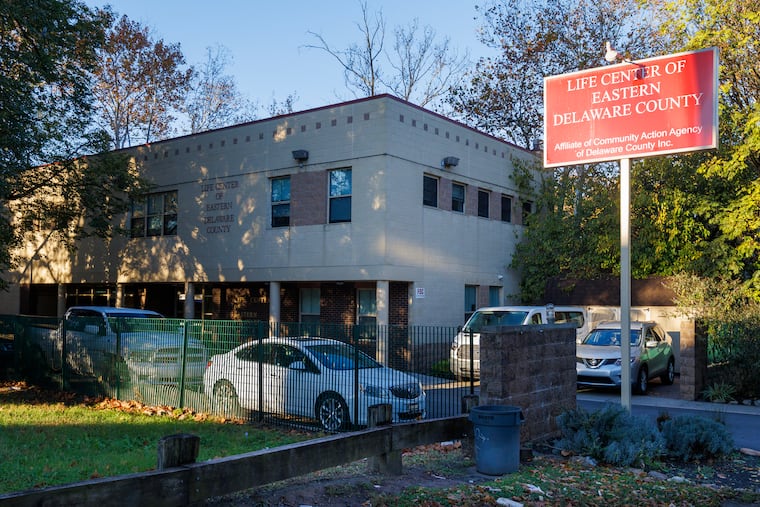
Delaware County homeless shelters to reopen as state budget impasse impacts regional nonprofit services.
The Community Action Agency of Delaware County, which oversees three homeless shelters and a rental assistance program, recently announced it will no longer consider cuts to its services for the first time in several months. This change comes in the wake of a tumultuous period marked by significant budget constraints due to a prolonged state budget impasse, which had forced the agency to slash its shelter capacity by 50% and close two facilities entirely as of November 1.
In October, the agency faced a critical financial crisis as Delaware County significantly reduced its contributions to social service organizations, halving the funds available. This left nonprofits in the area scrambling to manage their operations amid dwindling resources. However, following the resolution of the state budget earlier this month, the Community Action Agency has started to reinstate its rental assistance program and prepare its facilities for residents who had to temporarily relocate.
In the face of financial uncertainty, executives at the agency have taken proactive steps to prepare for the reintegration of clients, including refurbishing shelters and replenishing essential supplies such as bedding and toiletries. Ed Coleman, the executive director, indicated that staff have been diligently working to ensure that the environment is welcoming and conducive for returning residents.
Since receiving notification of the state budget being passed, the agency has reported over 250 rental assistance requests, with a significant influx occurring within a single day. Coleman noted the urgency with which they are assessing their capacity to provide services as they anticipate state funding to resume within 30 to 90 days. This funding is critical for addressing backlogged payments owed to counties and nonprofits statewide.
Other nonprofit organizations in the Philadelphia area have faced similar challenges, with many reporting hiring freezes, increased staff burnout, and significant stress resulting from funding uncertainties. Moreover, the recent federal government shutdown, which halted federal food subsidies, added another layer of difficulty for social service providers.
The situation has led to broader concerns among service providers about the welfare of vulnerable populations, such as older adults and unhoused individuals. As these organizations navigate the post-budget environment, anxieties linger regarding potential future fiscal disruptions and their capacity to sustain vital services.
Despite their relief over the recent budget resolution, the nonprofit sector remains cautious, aware of ongoing vulnerabilities. Many hope to emerge from these challenges stronger, while keeping a watchful eye on potential hurdles that could arise in the coming months.
As agencies like the Community Action Agency slowly resume full operations, they strive to address the pressing needs of their communities affected by budgetary constraints and diminished support systems in a landscape that continues to evolve rapidly.